

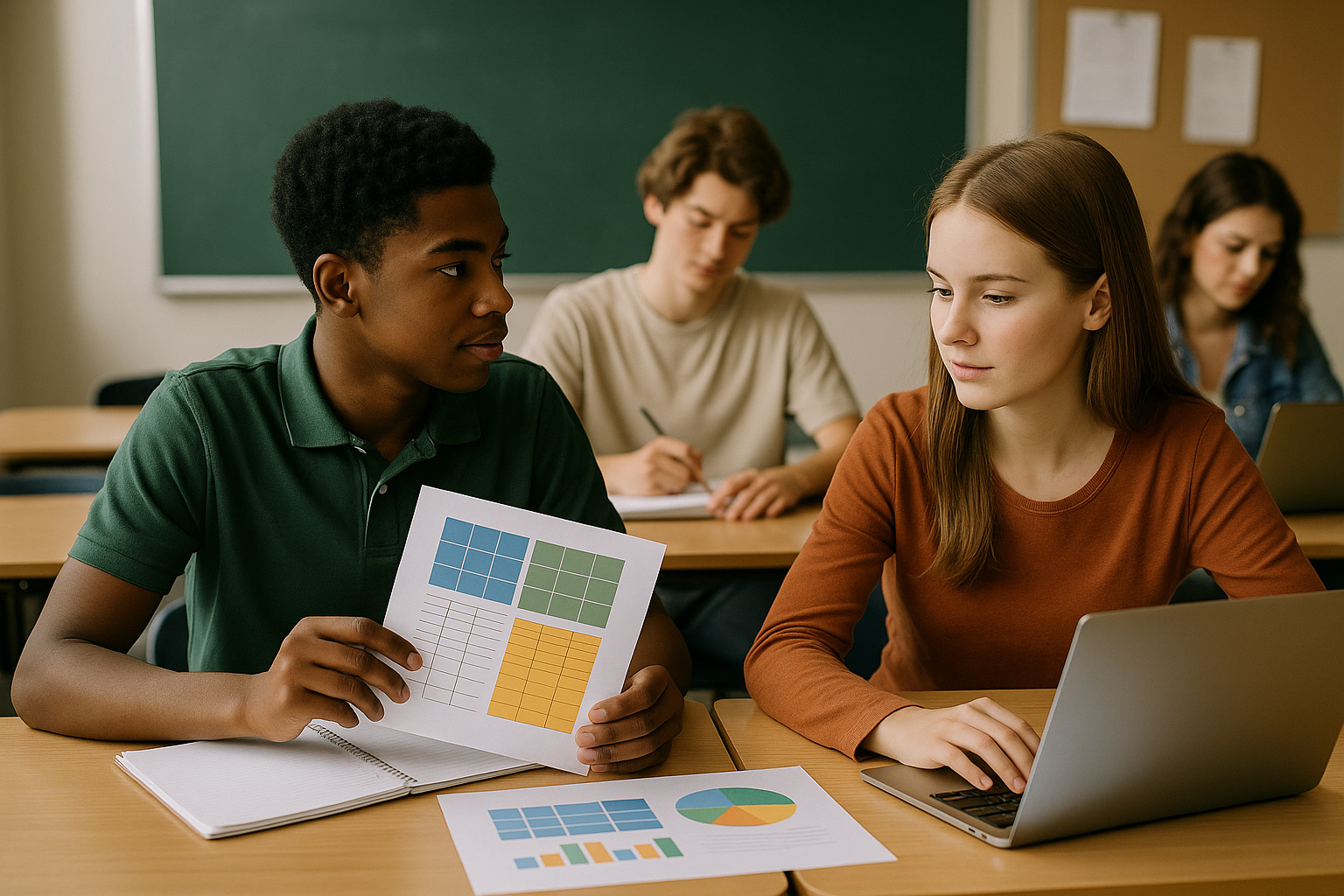
Traditional school schedules divide the day into fixed periods, often limiting how students learn and explore. Dynamic block scheduling introduces a more flexible structure that allows learners to choose their own learning blocks based on interest, pace, and goals. Instead of following a rigid timetable, students participate in longer, deeper, and more personalized learning sessions that adapt to their needs. This model encourages ownership, curiosity, and engagement in a way that standard schedules rarely support.
More Autonomy, More Engagement
Dynamic block scheduling empowers students to make choices about how they spend their academic time. Whether selecting extended science labs, focused writing workshops, independent study, or collaborative projects, students can build a schedule that aligns with their learning style and interests. This autonomy promotes motivation because learners feel more in control of their time and outcomes. It helps students bring more energy and purpose into each block.
Supporting Different Learning Styles
Not all students learn the same way or at the same pace. Dynamic scheduling provides the time and flexibility needed for deeper focus, extended practice, or exploration of complex ideas. Fast-paced learners can move quickly through material and take on new challenges, while others gain additional time to process and master concepts. This structure honors individual differences and reduces the pressure of tight, traditional period schedules.
Better Use of Teacher Expertise
With flexible blocks, teachers can design sessions that go beyond the limits of a standard period. They can offer enrichment workshops, guided study sessions, hands-on experiences, or targeted support groups. This model also enables interdisciplinary learning, where teachers from different subjects collaborate to create integrated block sessions that reinforce multiple skills at once. The result is a richer, more connected educational experience.
Preparing Students for Real-World Learning
In colleges, workplaces, and creative industries, learning rarely happens in neatly timed segments. Dynamic block scheduling mirrors real-world environments where people manage their own time, dive deeply into challenging problems, and collaborate with others independently. By experiencing this early, students develop time-management skills, decision-making confidence, and adaptability—qualities essential for future success.
Conclusion
Dynamic block scheduling transforms school from a rigid timetable into a flexible learning ecosystem. By allowing students to choose their own learning blocks, it promotes engagement, supports individual needs, and creates a more authentic preparation for life beyond the classroom. With greater freedom and meaningful structure, students gain the opportunity to learn in ways that are deeper, more personal, and more empowering.