

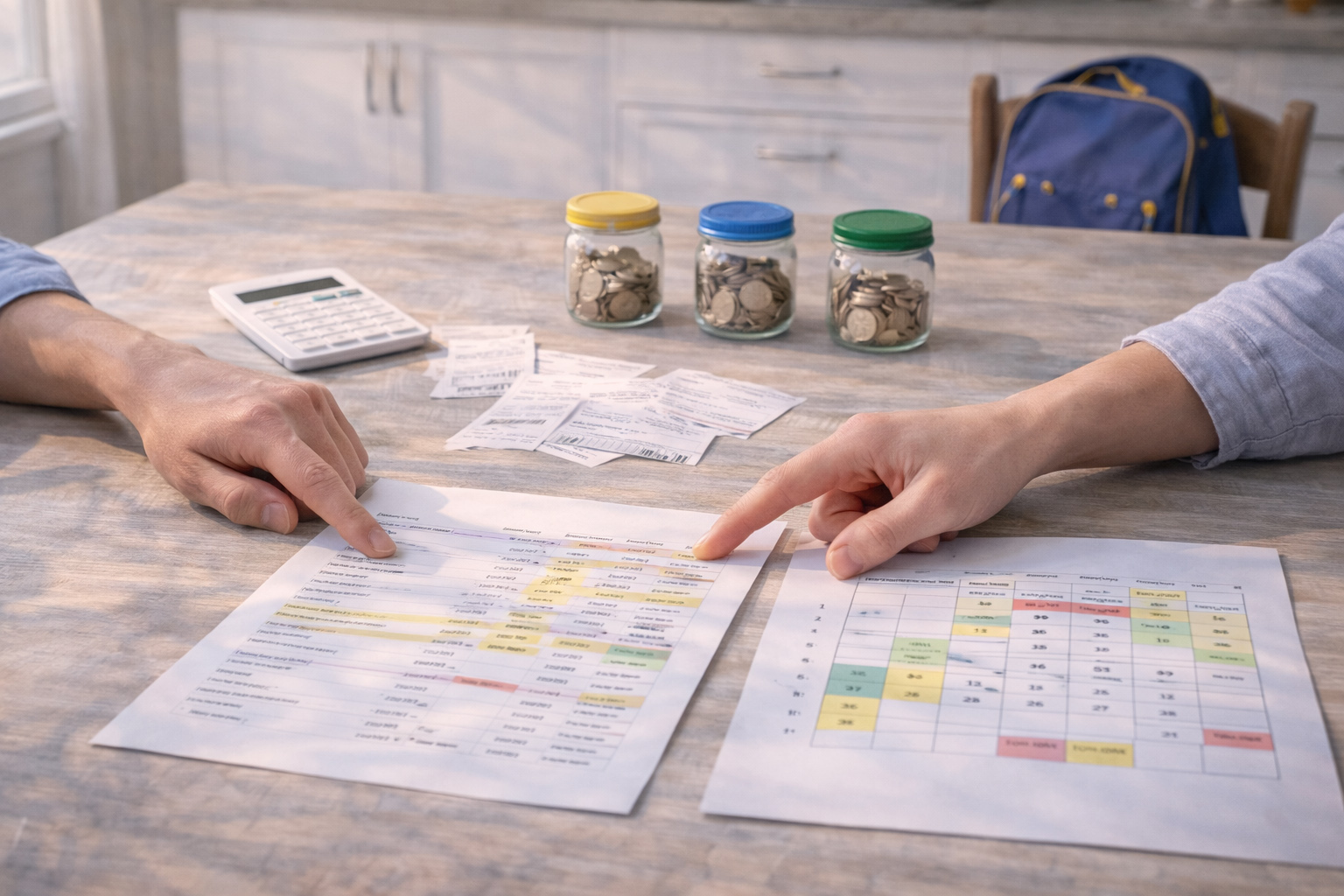
Education costs are a growing concern for many families balancing immediate needs and long-term goals.
Planning proactively helps households adapt without compromising learning quality.
This article outlines practical approaches to estimate, prioritize, and reduce education-related spending.
Use these ideas to build a sustainable budget that supports learning and financial stability.
Assessing Education Costs
Begin with a comprehensive review of current and projected education expenses, including tuition, materials, transportation, and extracurriculars. Break recurring costs into monthly or annual figures to reveal patterns and peaks through the year. Factor in one-time expenses such as technology purchases, uniforms, or exam fees that can disrupt short-term budgets. Accurate estimates set realistic saving targets and reduce surprises. Include anticipated inflation and program fee trends to create more resilient projections.
Update figures whenever programs or schedules change to keep projections relevant. Keeping a clear estimate prevents sudden shortfalls and improves planning decisions.
Prioritizing and Budgeting
Distinguish between essential education expenses and discretionary items that enhance experience but aren’t required. Use a zero-based budgeting approach to allocate every dollar to a category, ensuring priorities receive funding. Consider establishing separate savings buckets for supplies, enrichment, and emergency education needs. Prioritization helps maintain quality while preventing overspending on lower-impact items. Communicate priorities with all household members so expectations align and spending decisions stay consistent.
Regular reviews allow you to reallocate funds as needs shift. Clear priorities reduce stress when choices must be made quickly.
Practical Cost-saving Measures
Leverage open educational resources, libraries, and community programs to reduce textbook and tutoring costs. Buy gently used supplies and share or swap materials with other families when appropriate. Schedule purchases around sales cycles and consider bulk buying for consumables like paper and art supplies. Simple operational changes often produce meaningful savings without affecting educational outcomes. Coordinate purchases with school calendars to avoid last-minute costs and late fees.
Encourage students to participate in cost-conscious choices to build responsibility. These practices compound into significant annual savings.
Funding and Assistance Options
Explore institutional scholarships, grants, or sliding-scale fees offered by schools and community groups. Investigate employer tuition assistance or flexible spending accounts that may cover education-related expenses. When organizing applications, document needs clearly and meet deadlines to increase the chance of support. Also consider community fundraising, educational savings plans, and staggered payment options when available.
Combine multiple modest aids rather than relying on a single large source. Diversifying funding reduces vulnerability to unexpected changes.
Conclusion
Practical planning and small choices make education more affordable.
Assess costs, set priorities, and use available supports to protect quality.
Consistent habits create a resilient approach to managing education expenses.