

Helping students become self-directed learners is a central aim of modern education.
When learners can set goals, monitor progress, and adjust strategies, they gain confidence and lifelong capacity.
This article outlines classroom practices that cultivate autonomy through clear structures, metacognitive tools, and meaningful feedback.
These approaches are practical, adaptable, and evidence-informed for teachers at all levels.
Set Clear Goals and Routines
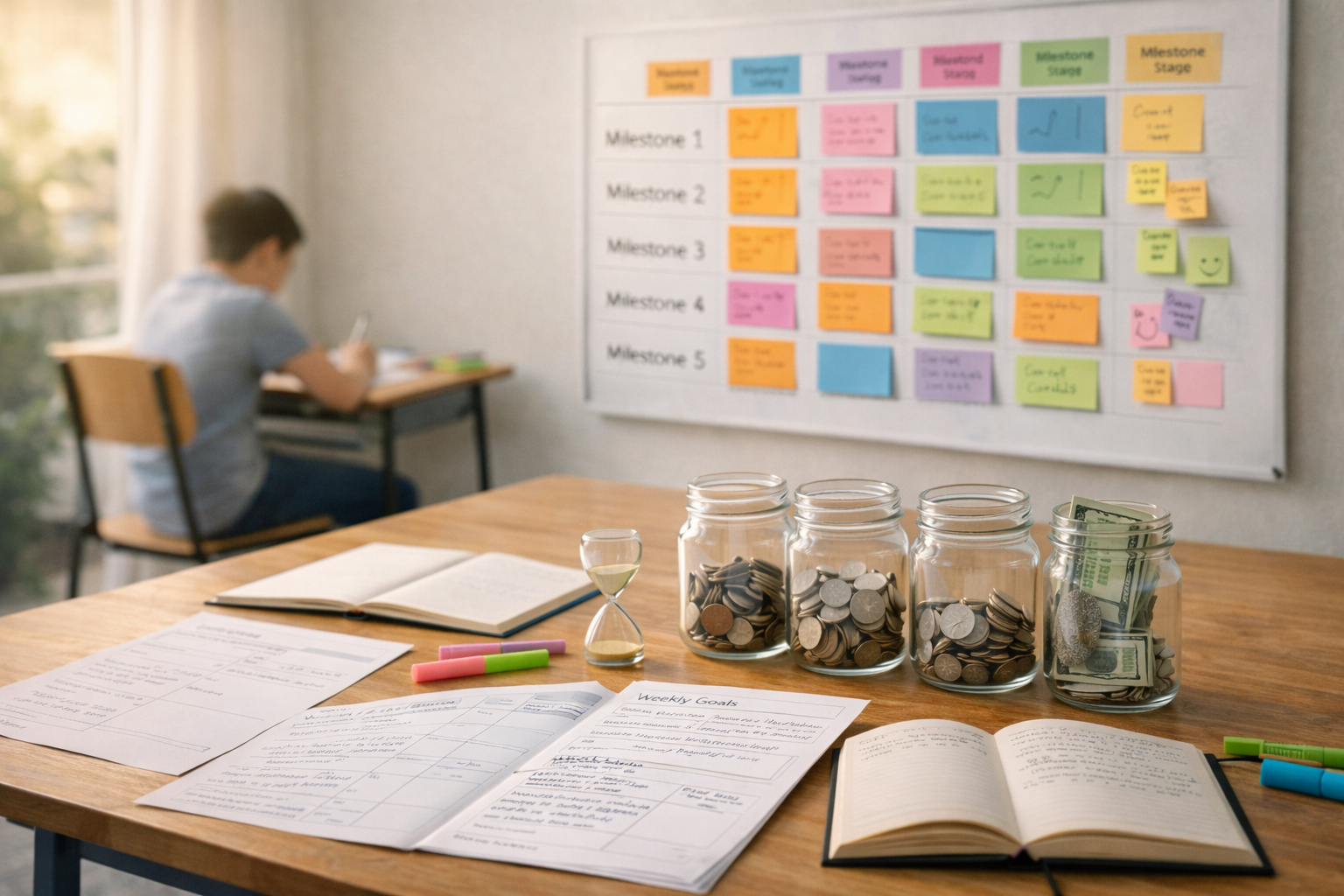
Start by establishing clear learning objectives and predictable routines that frame students’ independent work. Goal-setting templates and short checkpoints help students break complex tasks into manageable steps. Routines reduce cognitive load so learners can focus on strategy rather than logistics. Consistency makes it easier to transfer self-directed habits across subjects and projects.
- Weekly personal learning goals
- Progress trackers and rubrics
- Time-blocked independent work sessions
Provide simple tools and scaffolded moments where students practice planning and revising. Gradually remove supports as they demonstrate readiness.
Teach Metacognitive Strategies
Teaching metacognition means making thinking visible and giving students language to describe their strategies. Model thought processes during problem solving and ask students to verbalize their choices and setbacks. Use reflective prompts that encourage comparison of what worked, what didn’t, and why. These habits help learners recognize effective approaches and adapt when obstacles arise.
Incorporate brief reflection at the end of lessons and projects. Over time, reflections become internalized and support independent decision-making.
Provide Feedback and Reflection Opportunities
Feedback should focus on strategy and effort, not only on correct answers. Timely, specific feedback guides revision and highlights transferable skills. Peer review and self-assessment opportunities broaden perspectives and increase ownership. Balance praise for persistence with concrete next steps to sustain momentum.
- Rubrics that emphasize process and growth
- Structured peer critique with norms
Create regular moments for students to set goals based on feedback and plan revisions. These cycles of feedback and reflection build the routines of independent learners.
Offer Choice and Incremental Challenges
Offering meaningful choices in topics, formats, or timelines encourages ownership and intrinsic motivation. Start with limited options and gradually expand choices as students show capacity to manage complexity. Differentiate challenges so tasks are appropriately demanding; when tasks are too easy or too hard, autonomy suffers. Provide exemplars and decision-making criteria so choices remain productive rather than overwhelming. Choice paired with accountability—such as public sharing or reflection—strengthens commitment and follow-through.
Use projects and inquiry tasks to embed choice with clear milestones. This scaffolding helps learners experience ownership while developing planning and persistence.
Conclusion
Fostering self-directed learning requires clear structure, guided practice, and reflection.
Small, consistent classroom practices scale into durable learner habits.
Teachers who prioritize metacognition and feedback prepare students for lifelong learning.