

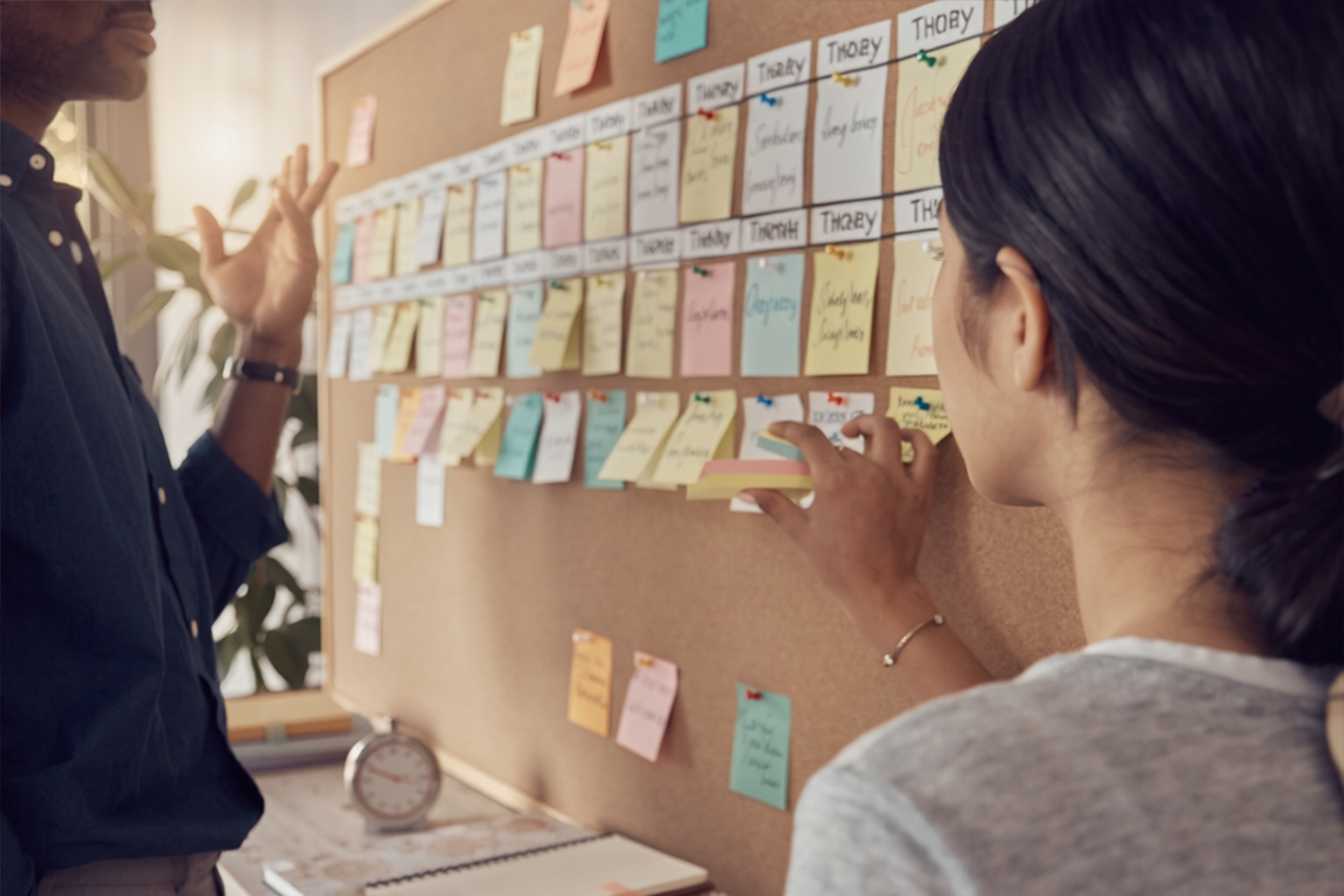
Developing a personal learning roadmap clarifies what you want to learn and why it matters. A clear map turns vague intentions into manageable steps that fit around work and life. When learning becomes part of a routine, momentum builds and progress compounds over time. This article outlines practical ways to design, schedule, and adapt a roadmap that supports continuous skill growth.
By focusing on structure and adaptability you can maintain steady improvement without burning out. The strategies here are practical for learners at any stage and for varied subjects.
Why a Personal Learning Map Helps
A learning map organizes objectives, resources, and timelines so you avoid scattered effort and decision fatigue. Instead of jumping from one topic to another, a roadmap links goals to specific activities and measurable milestones. This alignment helps prioritize what matters most and informs when to shift focus. Clear benchmarks also make it easier to celebrate small wins and maintain motivation.
Creating a visual or written map forces choices, which makes execution more likely. It becomes a reference that you can revisit during busy or uncertain periods.
Structuring Short, Focused Learning Blocks
Short, focused blocks of study — typically 25 to 90 minutes — reduce overwhelm and increase retention by leveraging attention cycles. Break larger goals into micro-projects that produce tangible outcomes, like a short tutorial, a practice exercise, or a one-page summary. Schedule these blocks into weekly routines and treat them like appointments to protect time. Combining concentrated practice with spaced review reinforces skills and knowledge over weeks and months.
- Define a single objective for each block.
- Use active learning techniques: teach back, practice, or apply.
- Review and adjust the difficulty after each block.
Consistent, focused effort compounds more than sporadic, long sessions. You can steadily advance while maintaining balance with other responsibilities.
Tracking Progress and Adjusting Goals
Regular tracking reveals what works and where to invest effort, whether through simple checklists, a learning journal, or brief weekly reviews. Track both input (hours, activities) and output (projects completed, skills demonstrated) to see alignment with your roadmap. Use reviews to prune goals that no longer serve and to set stretch targets that remain realistic. Flexibility in goals prevents stagnation and encourages experimentation.
Feedback loops—self-assessment, peer review, or short tests—help validate progress and refine the map. Make adjustments proactively rather than waiting for frustration to accumulate.
Conclusion
A clear, flexible roadmap makes learning intentional and manageable. Short, focused sessions and regular reviews keep momentum and improve retention. With a simple system you can sustain growth while balancing other life priorities.