

Education expenses pile up faster than most families expect, but small, repeated choices can lower the annual bill without undermining quality. Start by treating spending like a project: list recurring fees, one-off costs, and optional extras. Once you see the totals, patterns emerge—subscriptions you no longer need, classes that could be postponed, or materials bought at premium prices. Those patterns suggest specific fixes you can test this year.
Start with a Practical Expense Audit
A focused audit reveals where most dollars go: tuition and fees, course materials, transportation, and technology. Use a month or semester of statements to capture repeat charges and occasional spikes like lab fees or field trips. Compare those items against academic necessity—some fees are mandatory, others optional or negotiable. Knowing the breakdown makes trade-offs realistic rather than emotional.
Begin by cancelling unwanted subscriptions and flagging nonessential purchases for a trial month. Small reductions in several categories add up quickly.
Time Purchases and Shop Smarter
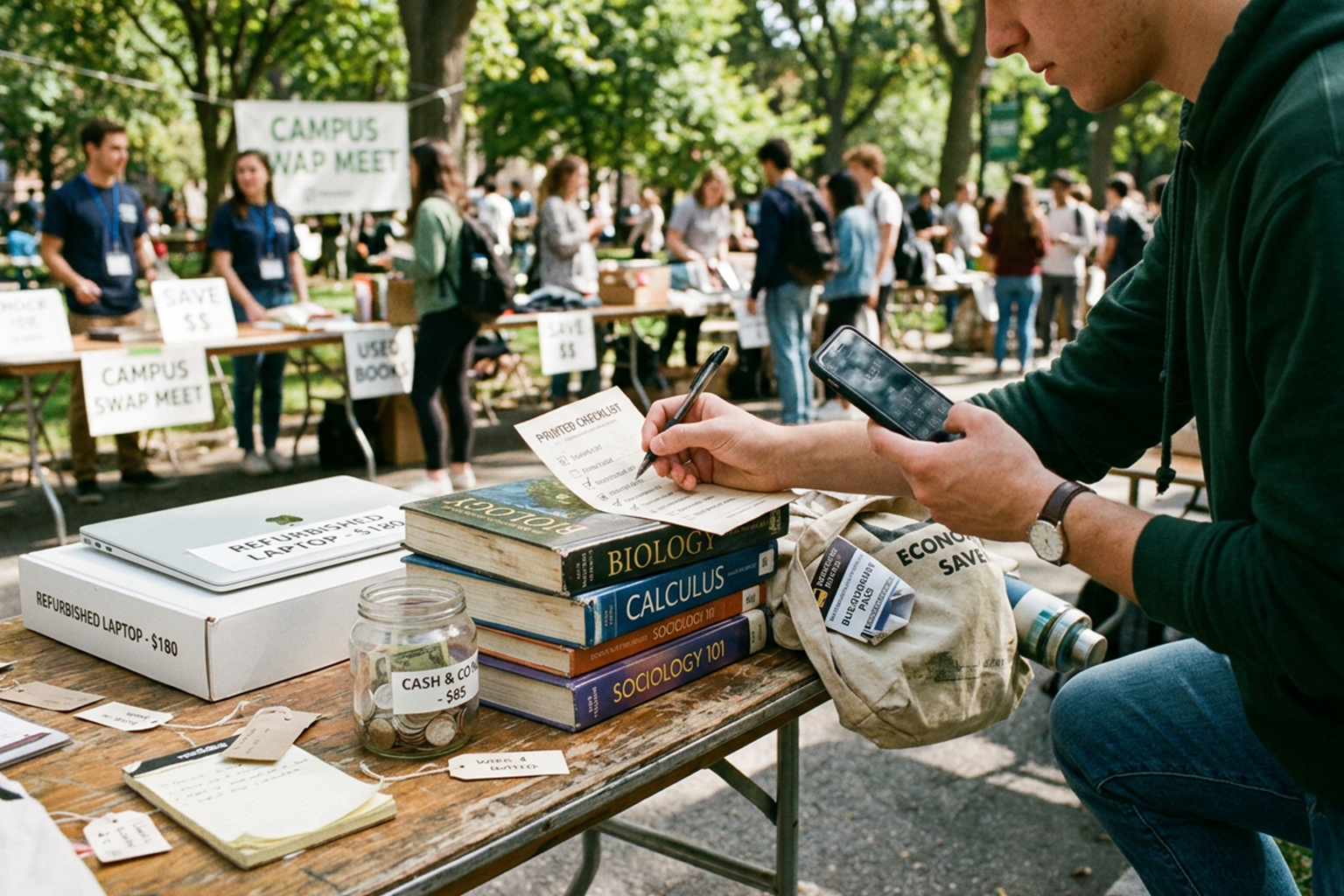
Timing matters: many retailers discount textbooks and supplies at specific points in the academic calendar, and course materials often go on sale after the first week. Renting or buying used books, or choosing open educational resources, can cut material costs dramatically. For equipment, watch refurbished options and seasonal sales rather than buying new at list price. Also check student discount programs, bulk stationery deals, and cashback offers.
A little patience when buying adds up to measurable savings across a semester. Treat each purchase like an investment with a clear resale or reuse plan.
Choose Lower-Cost Paths and Small Funding Sources
Many credible learning pathways cost less than the traditional route: community college credits, accredited online certificates, and competency-based programs often offer the same skills at lower price points. Look for employer tuition support, local scholarships, and departmental grants that target small gaps rather than full tuition. Micro-funding sources—crowdsourced support, alumni awards, or short-term stipends—can cover incidental costs that otherwise derail budgets. Work-study, internships, and cooperative programs also offset expenses while building experience.
Stacking a few of these options reduces reliance on a single large payment. That approach keeps annual costs predictable and easier to handle.
Make Small Savings Automatic and Review Regularly
Set up a dedicated education savings bucket and direct a modest, regular transfer into it—small amounts compound over time and make annual expenses less shocking. Use calendar reminders to review semester budgets before registration deadlines so choices are deliberate, not panicked. Keep a simple spreadsheet or budgeting app that highlights deviations from your plan and flags recurring overspending. Periodic review reveals whether tweaks are working and which habits deserve more attention.
Automation removes friction and reduces the temptation to spend windfalls on nonessential items. Regular reviews keep the strategy flexible and responsive to changing needs.
Conclusion
Small, deliberate choices made consistently produce a noticeably lower yearly education bill. Track spending, buy with intent, and combine lower-cost learning options to preserve outcomes while trimming costs. A steady, tested approach turns one-time savings into lasting budget resilience.