

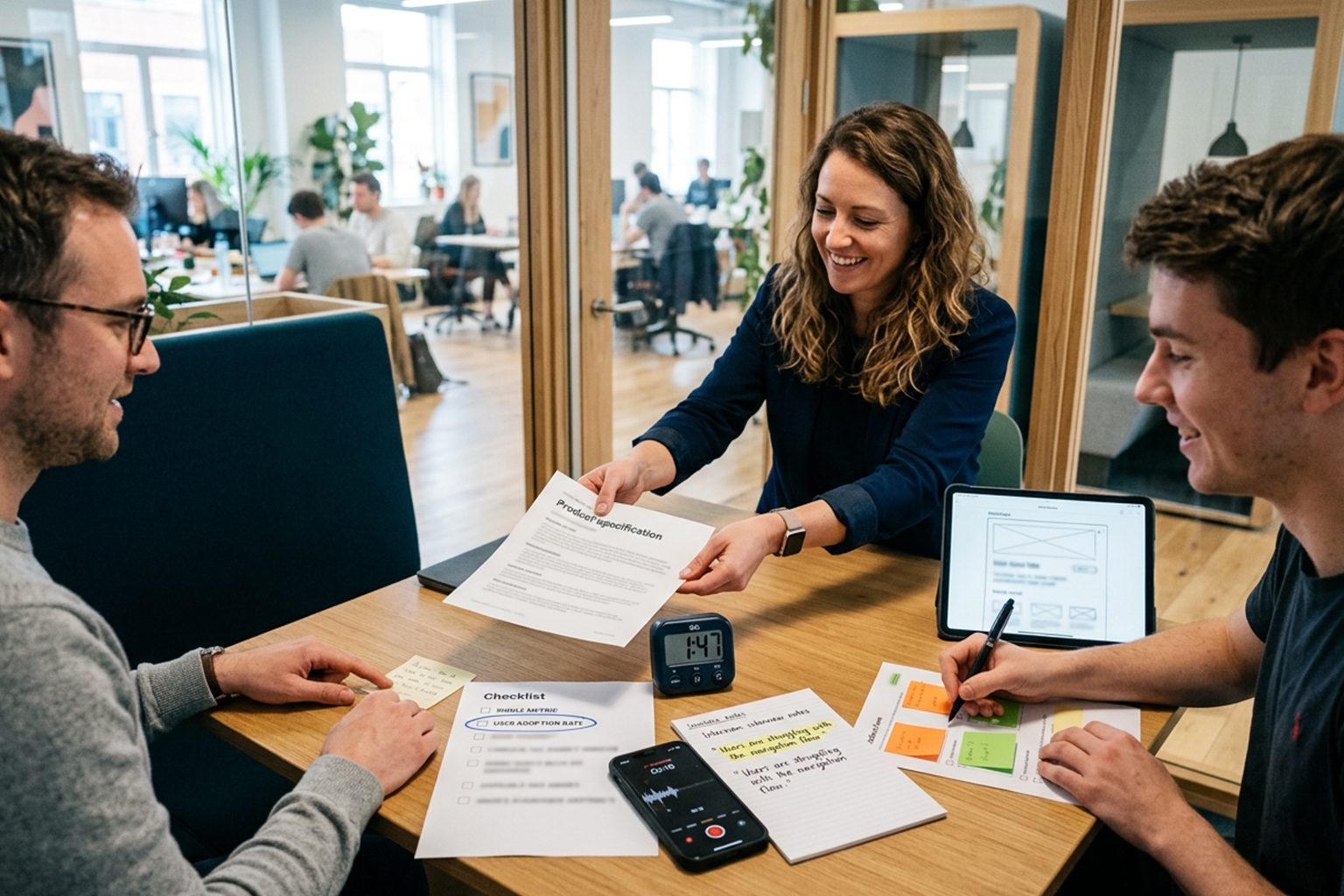
Deciding what to do next in your career often feels like a high-stakes bet. Small, realistic trials let you learn faster and reduce the guesswork. They fit into busy schedules and create concrete evidence you can show to others. This approach turns vague hopes into clearer options.
Start with a sharp question
Before you invest time, frame a single question that matters: Will I enjoy this kind of work? Can I deliver value in this role? What skills will I need to learn first? A focused question narrows what to test and keeps experiments compact.
Keep scope tight so outcomes are obvious. Limit trials to a few weeks or a single deliverable, and set a measurable success criterion. That makes evaluation straightforward and decisions less emotional.
Design a short, measurable trial
Good trials map directly to the question you asked. If you want to know whether you like product work, try a week of creating a short product spec or user interview summaries. If leadership is the question, run a small cross-functional meeting and track outcomes. Choose tasks that produce visible artifacts you can point to later.
- Pick a deliverable you can finish in 1–4 weeks.
- Define one clear metric for success (engagement, completion, feedback).
- Limit dependencies so you can move independently.
Short, measurable trials reduce friction and let you iterate. They also create a tidy story you can share with mentors or hiring managers when explaining why you tried something.
Turn results into credible evidence
After the trial, collect concrete artifacts and feedback. Document what you made, what didn’t work, and what you learned about your preferences and strengths. Avoid vague summaries; include samples, links, or short testimonials where possible.
Use this evidence to refine the next question or to adjust your resume and conversations. Over time, these tiny trials accumulate into a body of work that demonstrates curiosity and reliable judgment.
Conclusion
Running small professional trials reduces uncertainty and speeds learning. They produce tangible evidence you can use in decisions and conversations. Start with one short, focused experiment this week to see what you discover.