

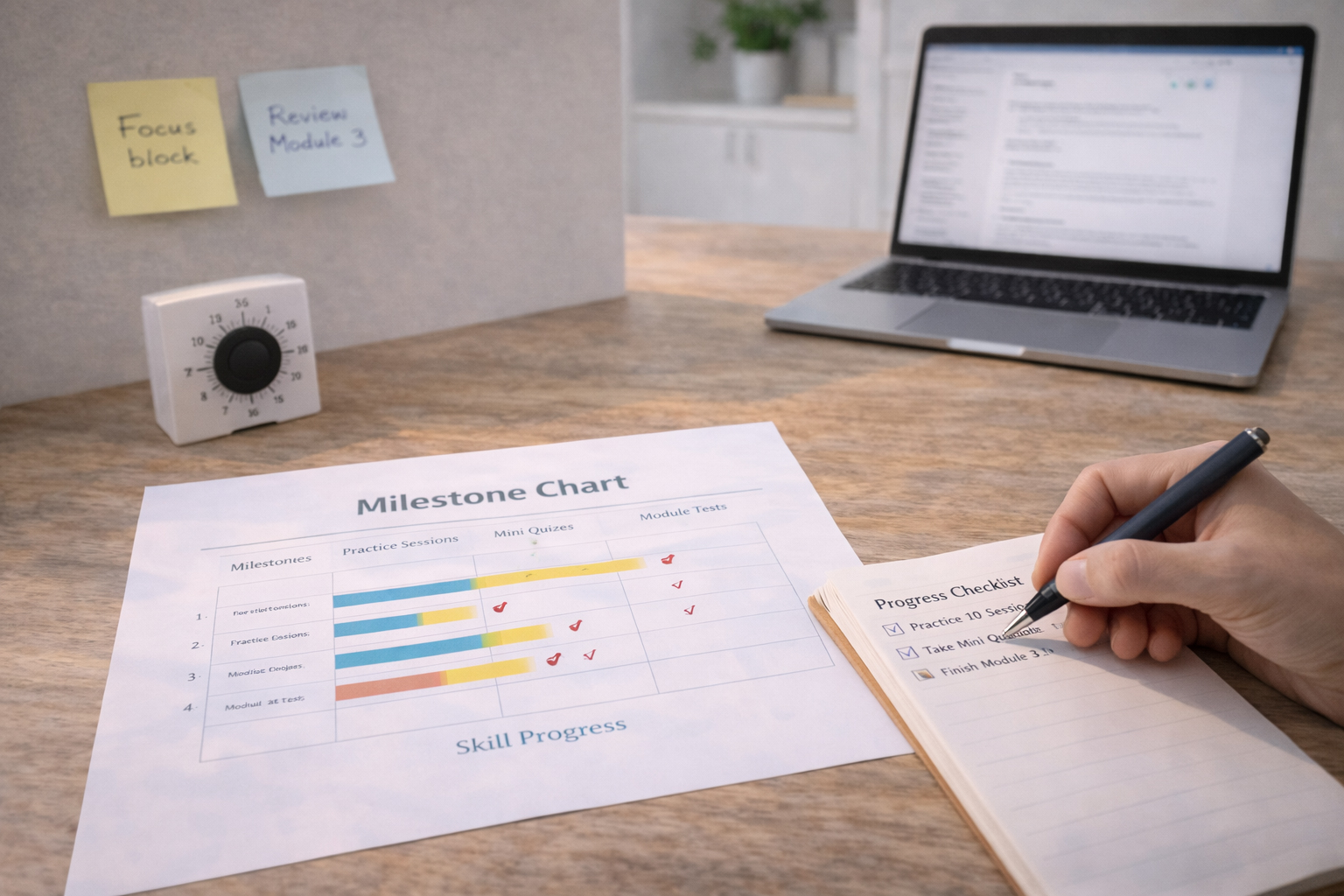
Mastering a career skill transforms your daily work, expands opportunities, and builds professional confidence. Start by identifying a single capability that aligns with your role and long-term goals, then break it into manageable milestones. Consistent, intentional practice beats sporadic study, so plan short, focused sessions rather than long, infrequent ones. Track progress with simple measures and adjust your plan as you learn what works.
Define a Specific, Measurable Goal
Begin with clarity: decide what “mastery” looks like for this skill in your context and set a deadline that motivates steady effort. Translate that outcome into measurable checkpoints such as projects completed, problems solved, or performance metrics improved. Aligning the goal to your current role or a target position helps sustain relevance and commitment. Clear criteria also make it easier to evaluate progress objectively.
Having a concrete target reduces distraction and provides a roadmap for daily practice. Revisit your milestones regularly and refine them when necessary to stay realistic and challenging.
Create Short, Focused Practice Routines
Design practice that mirrors real work: simulate tasks, use real data, or build small deliverables that contribute to the portfolio. Keep sessions short and focused—25 to 50 minutes with a single objective—so deliberate repetition becomes sustainable. Mix learning methods, pairing study with hands-on application, and schedule practice consistently in your calendar. This focused approach improves retention and speeds skill transfer into everyday responsibilities.
- Block short time slots weekly rather than attempting long marathon sessions.
- Use checklists to keep practice targeted and measurable.
- Create mini-projects that demonstrate applied learning.
Consistent, deliberate practice embeds learning into your routine and creates visible outcomes you can point to during performance reviews or job searches. Small, cumulative wins are more powerful than occasional bursts of effort.
Seek Feedback, Iterate, and Scale
Feedback accelerates improvement by revealing blind spots you might miss working alone, so solicit input from peers, mentors, or supervisors. Use specific questions to get actionable critiques and incorporate changes into the next practice cycle. Track patterns in feedback to prioritize which aspects to refine, and gradually increase complexity once basic competence is reliable. Over time, scale up by taking on larger projects or mentoring others to deepen your understanding.
Regular review and iteration turn effort into measurable growth and prevent plateauing. Treat feedback as data that guides your next steps rather than as a scorecard.
Conclusion
Mastery is a process built from clear goals, focused routines, and continuous feedback. Commit to small, consistent actions and measure progress against meaningful checkpoints. Over months, those steps compound into a skill that advances your career and opens new opportunities.