

Creating a dependable daily learning rhythm transforms diffuse intentions into steady progress.
This blueprint focuses on structure, bite-sized practice, feedback loops, and environmental support.
Adopt these ideas to make consistent learning manageable alongside work and life commitments.
Read on for practical steps to plan, practice, measure, and sustain continuous skill growth.
Establish a weekly anchor
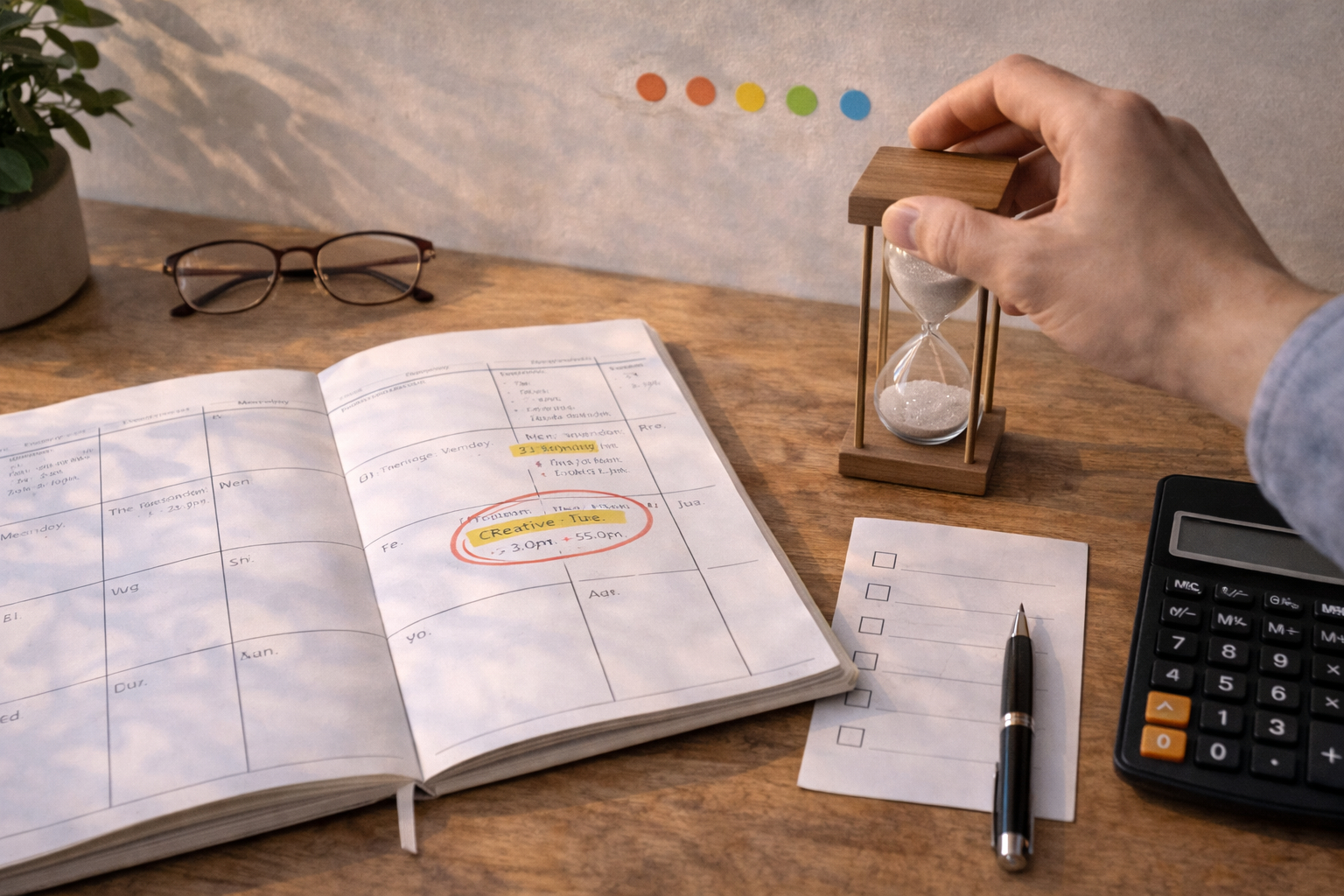
Choose a predictable weekly session that acts as the planning and review anchor. Use one dedicated 45–90 minute block each week to set priorities, break goals into micro-tasks, and schedule daily mini-sessions. This anchor reduces decision fatigue by deciding what to focus on ahead of each day. Making this commitment visible on your calendar increases accountability and makes time allocation realistic. Over time that single session becomes the hub for deliberate adjustments.
Make micro-practices your daily work
Daily learning relies on short, focused practice sessions that target specific skills. Design 15–30 minute micro-practices that concentrate on one element — retrieval, deliberate repetition, or application — rather than trying to cover everything. Consistency compounds: five focused days of practice will beat sporadic marathon sessions over time. Micro-practices are easier to schedule and resist common interruptions. Adjust duration depending on cognitive load and available time.
– Use timed sprints (e.g., Pomodoro) for focused effort.
– Rotate skill elements: technique, speed, and feedback.
– End each session with a one-sentence reflection.
These small rituals make progress visible and maintain momentum. They also create a repeatable habit loop that’s easy to sustain.
Build feedback loops and measure progress
Feedback turns practice into learning by revealing gaps and guiding adjustment. Record short performance indicators: time to complete a task, error rates, or a brief quality checklist, and review them weekly. Combine objective measures with a qualitative note about what felt harder or easier during practice sessions. Consistent measurement helps you choose which micro-practices to change or repeat. Set simple thresholds that trigger a change in approach.
Shape your environment and social supports
An environment that nudges learning reduces friction and increases follow-through. Designate a consistent physical or digital space for practice, limit distractions, and keep tools easily accessible. Enlist an accountability partner, study group, or mentor to provide external cues and constructive critique. Social structures also supply motivation when individual enthusiasm wanes. Small environmental tweaks often yield outsized returns on consistency.
Conclusion
Small, consistent design choices compound into meaningful skill growth over months and years.
Pick one weekly anchor and two micro-practices to start, then refine with simple measures.
Over time these rhythms create momentum that makes learning predictable and sustainable.