

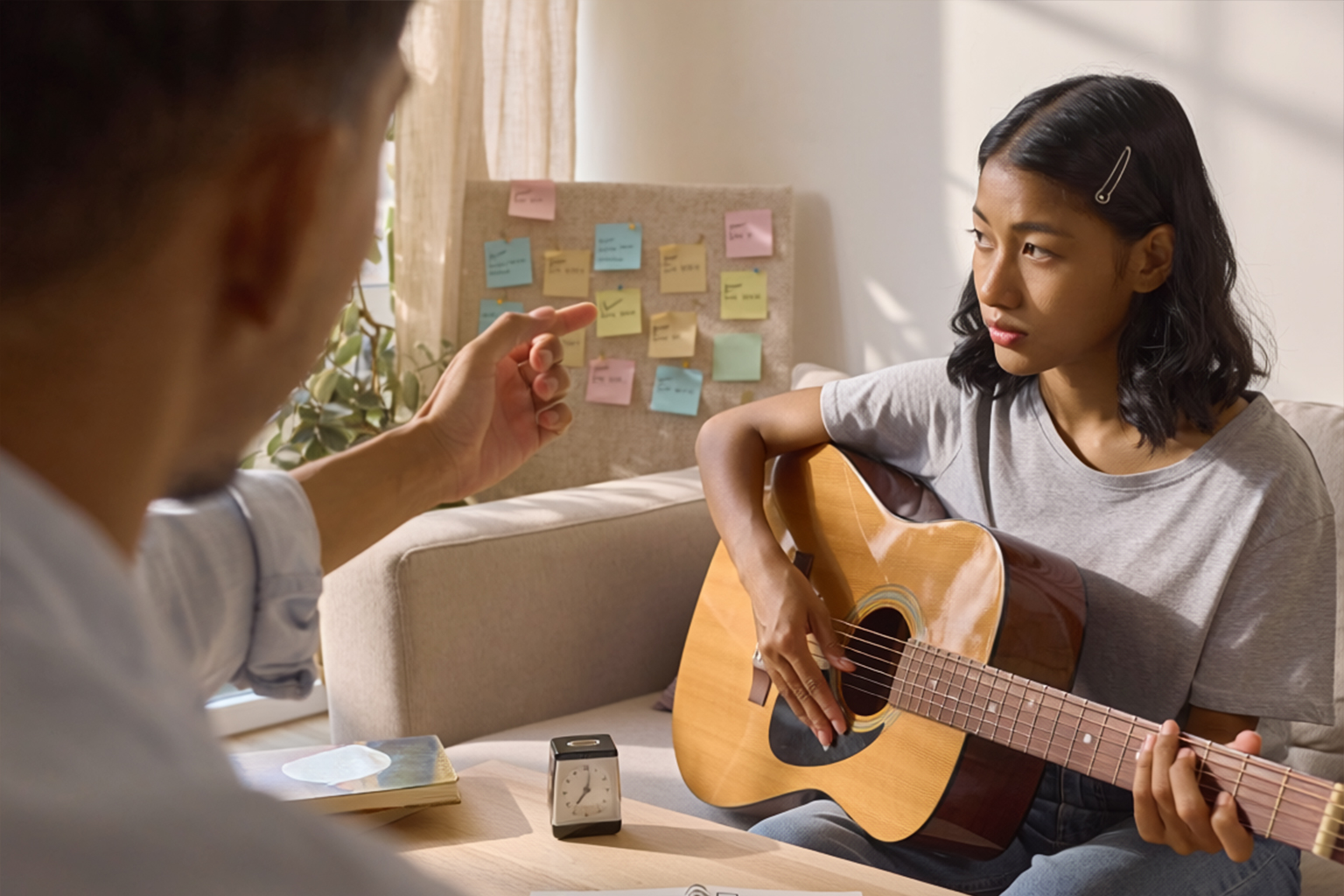
Learning new skills efficiently requires a clear structure and consistent practice. It is easy to drift without targets, leading to slow or uneven progress. A compact framework helps focus attention, measure gains, and adjust methods over time. This article outlines practical steps to design that framework and keep momentum.
Set Targeted Outcomes
Begin by defining outcomes that are specific, observable, and meaningful to your context. Instead of vague goals like “get better,” write measurable milestones such as completing a project, producing a performance, or solving a defined problem. Break larger ambitions into short, achievable targets that fit weekly or monthly cycles. This clarity reduces friction when choosing what to practice and when.
Targets also guide how you allocate time and resources. When goals are concrete you can prioritize the highest-impact activities first. Revisit outcomes regularly to ensure they remain relevant and motivating.
Create a Compact Practice Loop
Design a practice loop that fits into your available time and emphasizes deliberate repetition. A useful loop includes a focused task, immediate feedback, and a short reflection period to note what changed. Keep sessions short but frequent to retain attention and encourage consistency. Vary elements of practice to prevent plateaus and maintain engagement.
By keeping loops compact you reduce setup overhead and increase the chance of sticking with the plan. Small, deliberate sessions compound into significant improvements over months.
Measure Progress and Adjust
Track progress with simple metrics tied to your outcomes, such as completion count, speed, accuracy, or qualitative reviews. Use both objective and subjective measures to capture the full picture of growth. Schedule brief check-ins to compare current performance with target milestones and identify bottlenecks. When evidence shows stagnation, change one variable at a time—technique, frequency, or learning resource.
Adjustments should be data-informed and incremental to preserve momentum. Regular measurement turns vague impressions into actionable insight.
Sustain Momentum
Build routines and cues that make practice automatic, for example a dedicated time block or a consistent environment. Pair learning with enjoyable elements like social accountability, rewards, or varied content to reduce attrition. Protect small wins by celebrating milestones and recording progress in a visible way. Plan for recovery and rest to avoid burnout and maintain long-term consistency.
Sustainable learning balances discipline with flexibility so progress continues even during busy periods. Prioritizing continuity over intensity often yields better retention and satisfaction.
Conclusion
Adopt a clear outcome, a compact practice loop, and simple measures to guide improvement. Make small adjustments based on tracked results and protect routines that sustain practice. Over time these habits produce steady skill growth and stronger retention.