

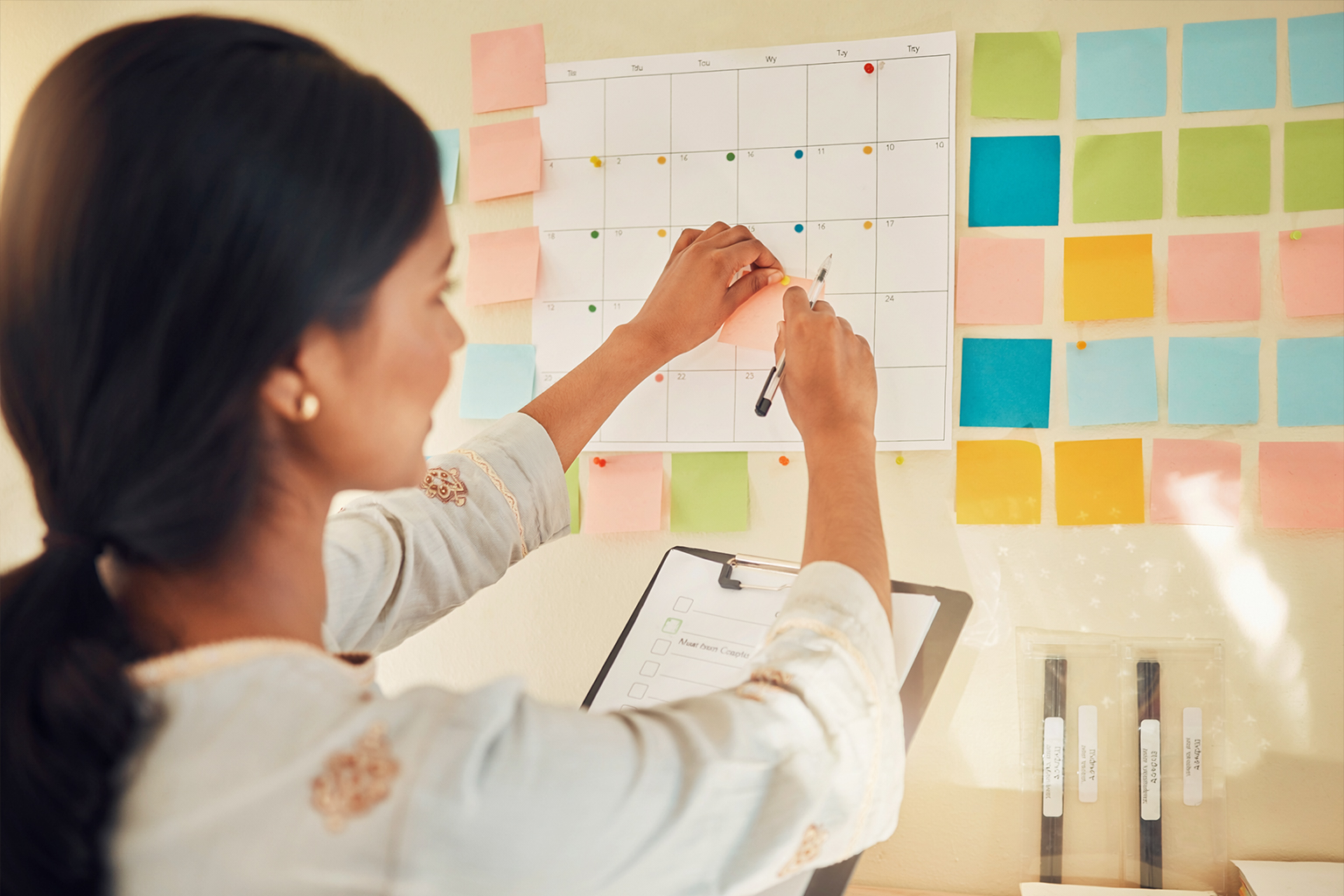
Self-directed learning lets you shape skill growth around your priorities and the realities of your schedule, making sustained practice feasible. Developing a clear, practical plan reduces wasted effort, maintains motivation, and helps you allocate time to what matters most. This article outlines a straightforward framework to set useful goals, build sustainable routines, and gather evidence of progress so improvement is visible. Follow these steps to create a learning process that adapts to your life, keeps momentum, and delivers measurable results.
Set clear goals and concrete milestones
Start by defining why a skill matters and describing what success looks like in specific, observable terms that you can test. Break larger ambitions into short, achievable milestones that can be completed within days or weeks, and attach simple criteria so you can objectively decide when a milestone is done. Prioritize milestones by impact and effort to focus on the highest-value activities first, and balance foundational practice with projects that keep learning engaging. Clear milestones give direction, reduce ambiguity about next steps, and make it easier to sustain progress during low-motivation periods.
Use milestones to structure practice sessions and to celebrate incremental wins without waiting for perfection. Revisit and adjust targets periodically so they remain relevant to your evolving priorities and experiences.
Design sustainable routines and an optimal environment
Consistency often matters more than intensity, so design routines that match your natural rhythms rather than forcing long sessions you cannot maintain. Block focused, short sessions with a single objective and include deliberate variations to avoid plateauing and boredom. Reduce friction by preparing materials in advance, minimizing distractions, and establishing small rituals or cues that signal the start of practice. A predictable environment and a repeatable routine lower the activation energy required to practice and help turn intention into habit.
Test different session lengths and timing until you discover a pattern you can keep for months, not just days. Keep the system flexible so you can scale up or down when life demands change without abandoning progress entirely.
Track progress, reflect, and iterate
Collect simple, objective evidence of improvement such as timed attempts, versioned projects, recordings, or short performance checks that you can compare over time. Schedule regular reflection moments—weekly notes and monthly reviews—to identify which methods yield results and where you are stuck. Use those insights to tweak practice techniques, redistribute time across activities, or introduce deliberate challenges that target weak points. Iteration based on concrete data turns random effort into a learning loop that compounds improvement.
Keep a lightweight log or portfolio to preserve context and to make decisions easier when adjusting plans. Small, evidence-driven changes add up and prevent you from repeating ineffective strategies.
Conclusion
Creating a sustainable self-directed learning plan means clarifying goals, building routines that fit your life, and routinely checking what’s working. Small, consistent habits plus regular reflection produce far greater results than occasional intensive bursts. With a simple, adaptable framework you can learn more efficiently and continue growing as your priorities change.