

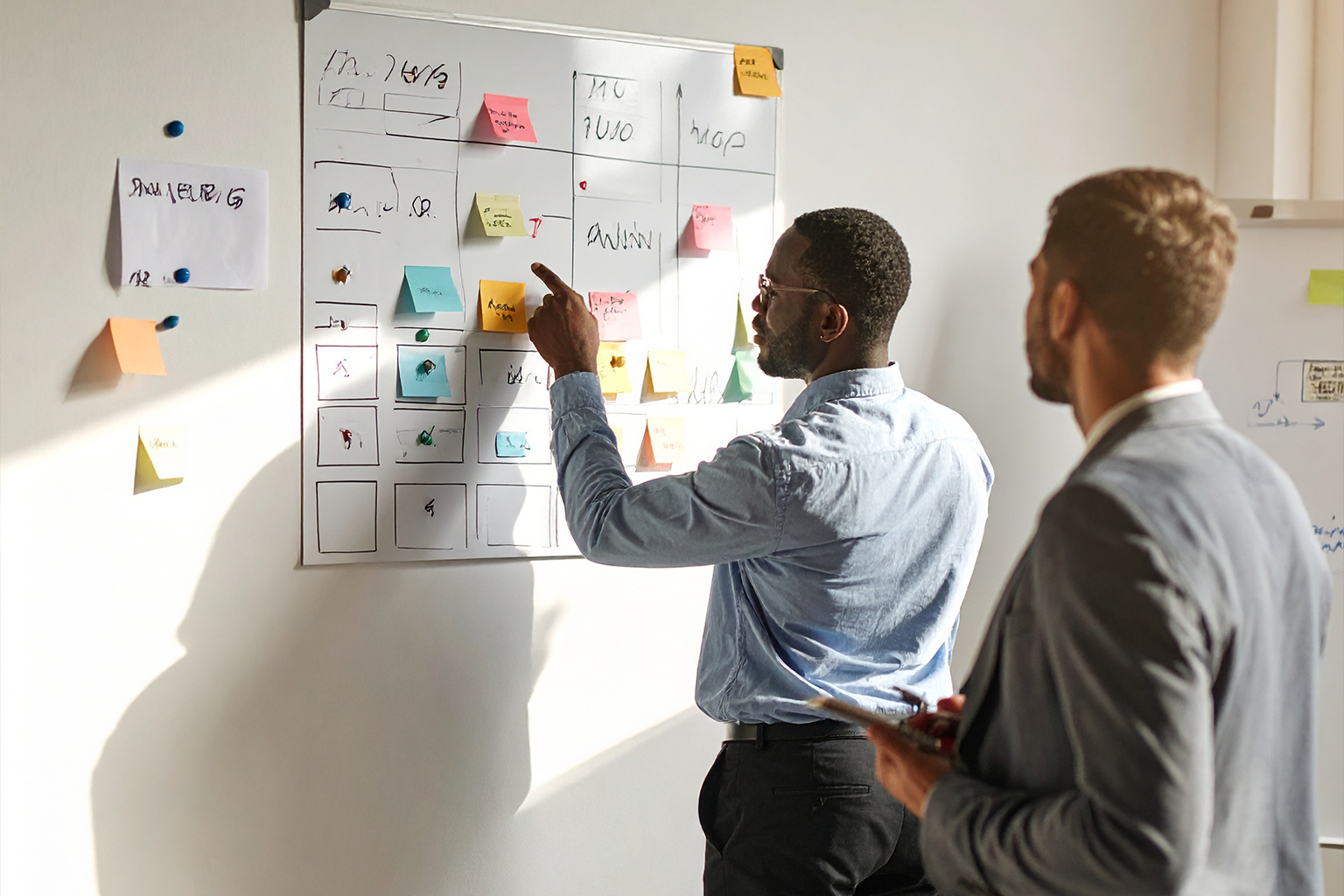
Independent learners get better results when they combine clear goals with consistent practice and reflection. This article outlines a straightforward roadmap to make personal learning more productive and sustainable. It focuses on planning, study design, and iterative tracking rather than on prescriptive curricula. Use these ideas to shape a learning rhythm that fits your schedule and interests.
Plan Your Learning Goals
Begin by defining outcome-focused goals that describe what you want to do, not just what you want to know. Break larger aims into specific milestones you can complete in days or weeks. Choose measurable indicators so you can tell when a milestone is achieved. Prioritize these milestones based on impact and feasibility.
- List measurable outcomes for each milestone.
- Set short deadlines to sustain momentum.
- Identify one clear metric to track progress.
Setting these goals creates a roadmap you can follow and revise. It reduces overwhelm and helps you allocate time deliberately.
Design Efficient Study Blocks
Structure your time into focused study blocks that balance learning and practice. Shorter, frequent sessions often beat occasional marathon efforts for retention and motivation. Combine active techniques such as testing, teaching, and spaced review to deepen understanding. Make explicit practice the core of each session rather than passive consumption.
- Use retrieval practice and quick self-quizzes.
- Apply the Pomodoro technique for sustained focus.
- Alternate problem solving with review to reinforce concepts.
Designing blocks this way maximizes progress from limited time. Over weeks, these habits compound into substantial skill gains.
Track Progress and Adjust
Regular review of your progress keeps learning responsive and efficient. Use simple tracking tools: a notebook, spreadsheet, or learning log to record what you practiced, results, and obstacles. Reflect weekly to identify patterns and decide what to keep, change, or drop. Be willing to pivot goals or methods when evidence shows a different approach would be faster.
- Record time spent and outcomes for each session.
- Note which techniques yielded the biggest gains.
- Schedule brief experiments to test new strategies.
Consistent reflection prevents wasted effort and supports steady momentum. Small adjustments maintain alignment between your efforts and desired outcomes.
Sustain Motivation and Community
Longevity in learning depends on maintaining motivation through social support and meaningful rewards. Join peers or find accountability partners who share similar goals and can provide feedback. Publicly committing to small milestones increases follow-through and creates learning momentum. Pair progression markers with small rewards to celebrate consistency rather than perfection.
- Form study groups or online communities for regular interaction.
- Set short-term challenges with friends to make practice engaging.
- Record wins and share them to reinforce positive habits.
Social structures keep accountability high while making learning enjoyable. Over time, that enjoyment converts isolated effort into a sustainable habit.
Conclusion
Start with clear goals, practice deliberately, and review often.
These steps form a flexible, evidence-driven roadmap for personal learning.
Apply them iteratively and you will see steady progress.