

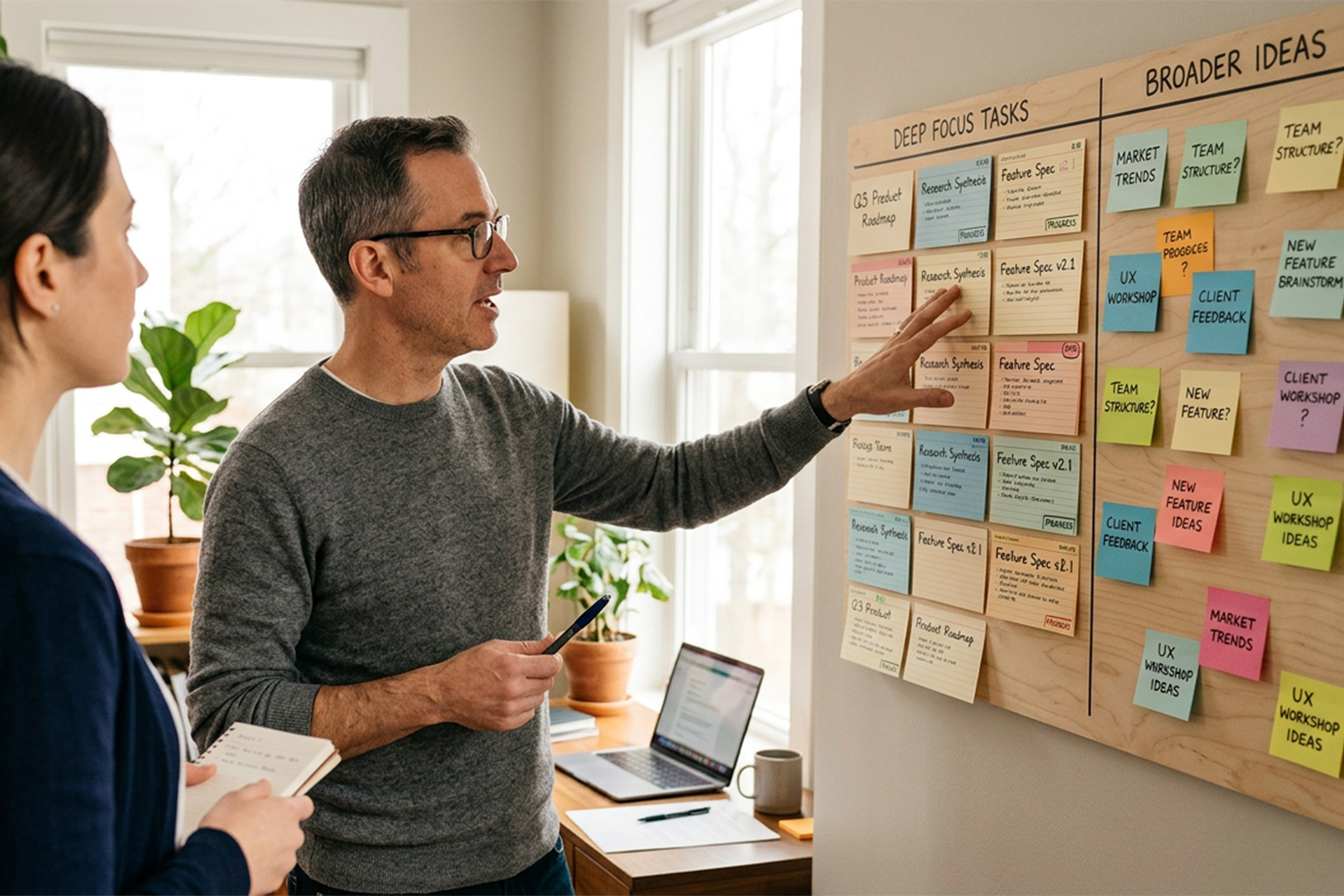
Creating a sustainable learning plan means choosing where to dive deep and when to sample widely. Both depth and breadth have clear benefits: depth builds expertise and problem-solving fluency, while breadth exposes you to patterns and opportunities across domains. A practical personal learning plan deliberately balances these aims so progress feels steady and rewarding. This article outlines a simple approach to decide focus, structure practice, and keep momentum.
Start by clarifying your priorities and the timeline for measurable progress. Small experiments will reveal which balance serves your goals best.
Assessing Trade-offs and Goals
Begin with a short assessment of your goals, constraints, and available time. Identify which skills require deep focus to reach competence and which can be learned sufficiently through broader exposure. Consider the value horizon: some abilities pay off only after intensive practice, while others offer immediate transfer when sampled across contexts. Use a simple matrix that maps impact against effort to guide early choices.
Define one long-term deep objective and two or three complementary broad skills to explore. This creates intentional tension that guides weekly planning.
Building a Layered Learning Plan
Structure your plan in layers: a foundation of core practice, stacked with exploratory projects and lightweight reading or courses. Allocate blocks of time each week to deep work—focused, uninterrupted practice on a single skill—and shorter sessions for breadth, such as reading summaries or trying mini-projects. Layering lets you sustain deep progress without becoming isolated from new ideas and trends.
- Core layer: deliberate practice and projects.
- Exploration layer: micro-courses and experiments.
- Connection layer: discussions, summaries, and reflection.
Review and adjust the size of each layer quarterly based on results and interest. This keeps the plan responsive and realistic.
Managing Attention, Feedback, and Review
Intentional focus and timely feedback accelerate learning within both depth and breadth tracks. Use short feedback loops: weekly reviews, measurable mini-goals, and periodic demonstrations of skill to a peer or mentor. Incorporate spaced review for facts and techniques and deliberate practice for core skills. Tracking progress reduces friction when choosing whether to deepen or broaden next.
Prioritize high-quality feedback over volume of work; a few targeted corrections yield more improvement than many unfocused attempts. Keep a simple log to inform decisions.
Conclusion
Balancing depth and breadth is an ongoing, practical decision aligned to your goals, time, and curiosity. Use layered planning, measurable experiments, and regular review to find a rhythm that sustains both expertise and adaptability. Iterate the balance as your priorities evolve so learning remains effective and motivating.