

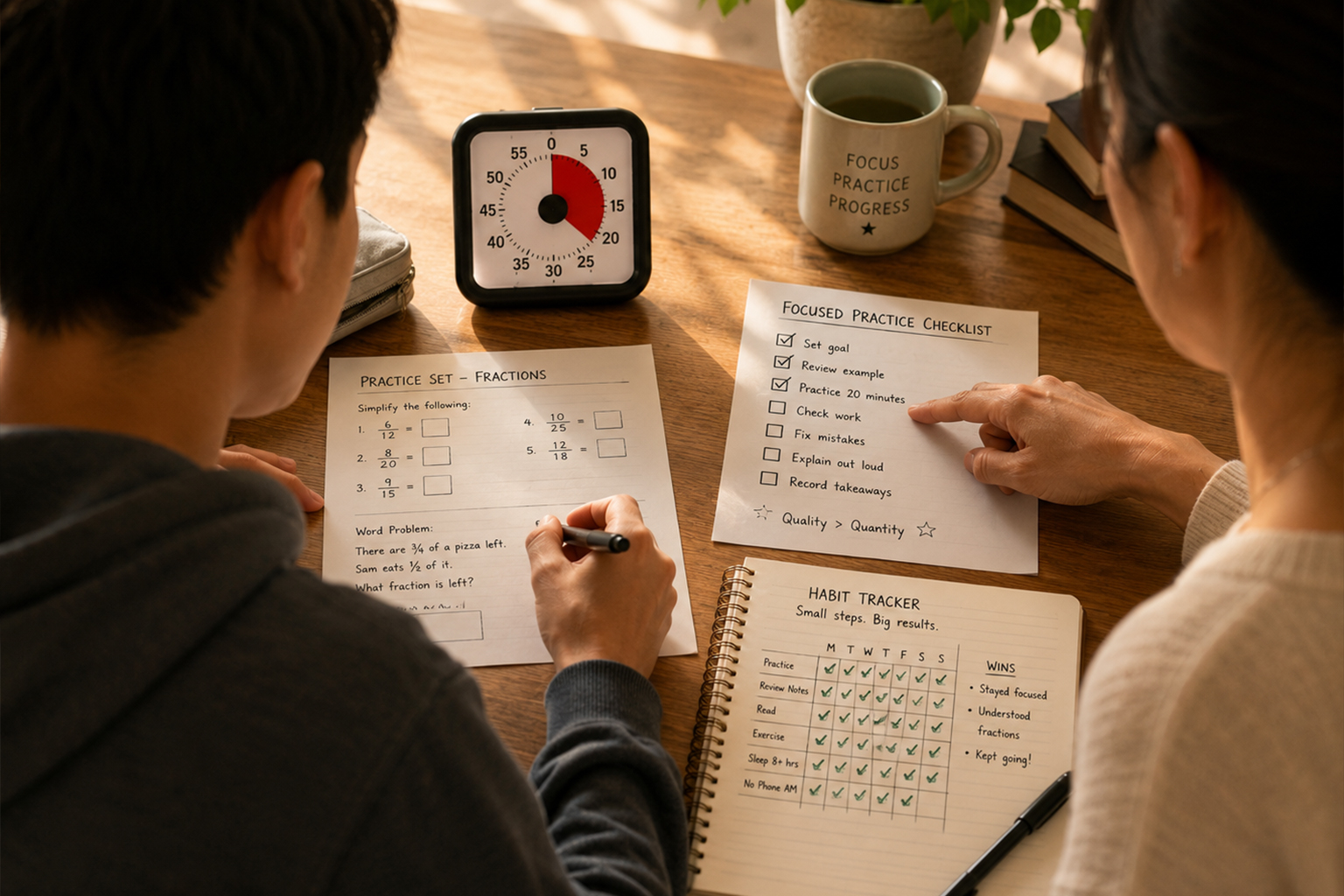
Building skills consistently often comes down to predictable daily routines.
Small, focused habits compound over weeks and months into measurable progress.
Establishing a repeatable structure reduces friction and decision fatigue.
This article outlines practical routines and techniques you can apply immediately.
Why routines outperform sporadic effort
Consistent routines create a scaffold that makes starting easier and keeps momentum steady. When practice becomes part of your day, motivation is no longer the only driver. Short, repeated sessions usually beat long, irregular marathons because they support retention and reduce burnout. Routines also let you allocate attention to specific skills with clarity and fewer competing priorities.
To benefit, emphasize frequency over duration at the start and keep expectations realistic. Small wins reinforce continued practice and encourage gradual increases in challenge. Over time, accumulated minutes translate into noticeable improvement.
Designing short, focused practice blocks
Break learning into discrete blocks that each target one objective, such as technique, review, or application. Sessions of 20 to 40 minutes often balance depth with sustained concentration, while brief warm-ups of five to ten minutes prepare your mind. Minimize distractions and define the task before you begin so each block has purpose and direction. Consistency in timing and context—same room or same trigger—helps habits stick.
Rotate objectives across blocks to maintain variety and avoid plateaus. Pair deliberate practice with immediate feedback when possible to accelerate skill refinement.
Practical routine examples you can adopt
Concrete examples make routines easier to implement: pick a short sequence you can repeat daily and scale as needed. Combining structured practice with quick reflection closes the learning loop and surfaces what to adjust next. Simple rituals—preparing materials, a brief review, then focused work—reduce start-up cost and build reliability. Use modest, consistent commitments rather than ambitious, sporadic efforts.
- Morning review: 10 minutes of goal-focused revisiting.
- Focused practice: 25–35 minutes on one skill element.
- Evening reflection: 5–10 minutes to record progress and questions.
These building blocks can be rearranged to fit your schedule while preserving the core advantages of frequency, focus, and feedback. Start with one sequence and add complexity gradually.
Tracking progress and adjusting your plan
Simple metrics—minutes practiced, specific outcomes, or a rating of quality—make progress visible and actionable. Weekly reviews let you spot trends and decide whether to increase intensity or change tactics. Treat data as guidance, not judgment; iterative adjustments keep routines aligned with real results. If momentum falters, scale back duration rather than abandoning the habit entirely.
Celebrate small milestones and use reflection to refine upcoming sessions. Responsive adjustments prevent stagnation and make routines resilient over the long term.
Conclusion
Begin with one manageable routine and make it daily.
Focus on short, purposeful blocks and record outcomes.
Adjust gradually based on simple tracking and regular review.