

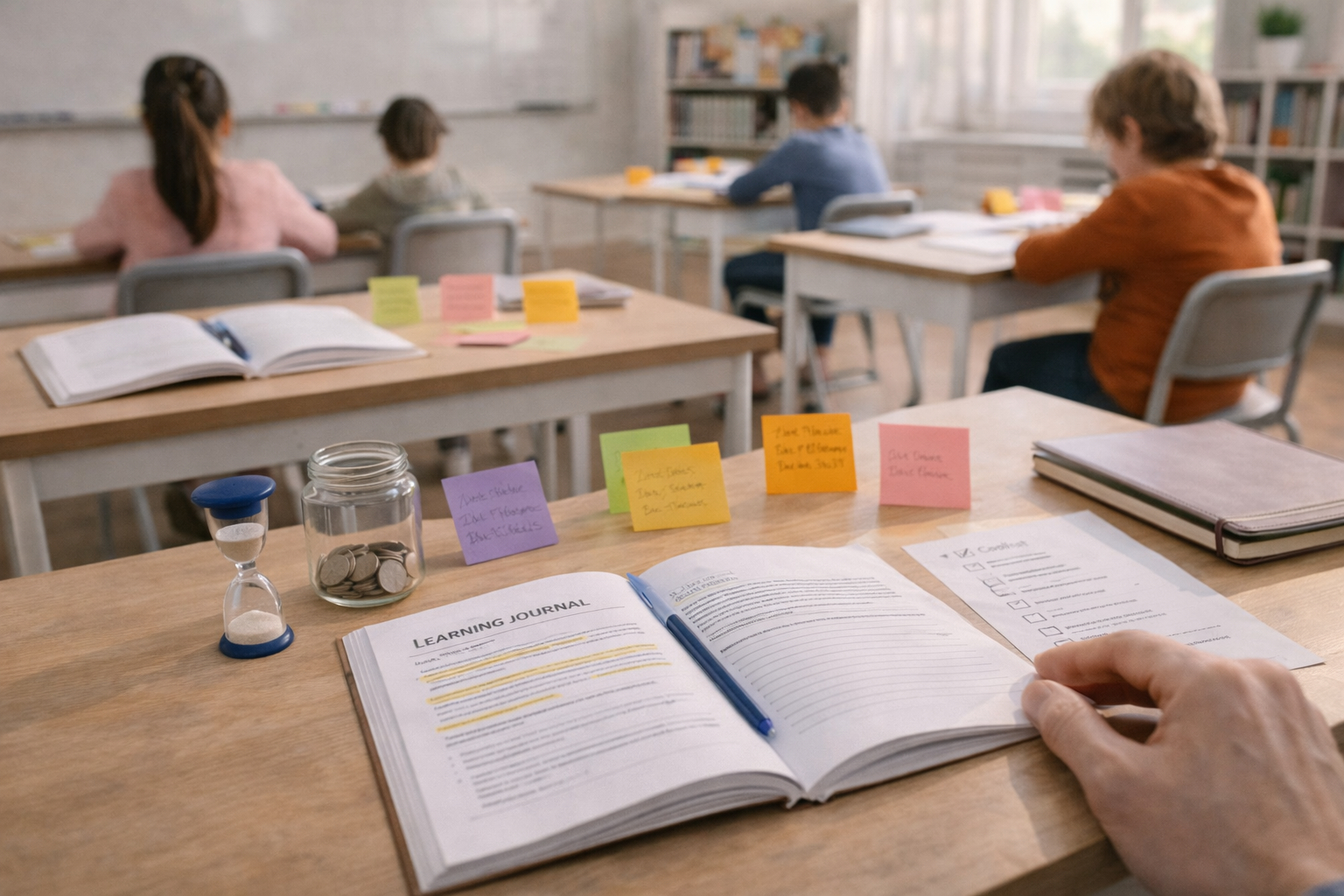
Developing autonomous learners is less about sweeping change and more about consistent daily practices. Small routines and deliberate task designs help students internalize how to manage their learning. When teachers model decision-making, provide clear structures, and invite reflection, students gain the confidence to take initiative. This piece presents practical strategies that integrate into everyday classroom life and support learner independence.
Establish Clear, Small Routines
Routines reduce ambiguity and free students to focus on higher-order skills rather than logistics. Simple procedures for starting work, seeking help, and transitioning between activities create predictable opportunities for students to practice autonomy. When routines are explicit and practiced, learners spend less time asking procedural questions and more time engaging with content. Well-established routines also make it easier for teachers to notice where students need targeted support.
- Entry tasks that students can begin independently.
- Signal systems for asking different levels of help.
- End-of-lesson checklists for self-assessment.
Introduce routines gradually and revisit them often to maintain consistency. Use short modeling sessions and quick reminders to reinforce expectations until they become habit.
Teach Decision-Making and Learning Strategies
Explicit instruction in how to plan, monitor, and evaluate learning builds a transferable skill set. Teach students to break tasks into steps, set mini-goals, and choose strategies suited to a task. Use think-alouds to model how you choose approaches and adjust when things don’t work. Over time, encourage students to justify their choices and reflect on outcomes.
Provide scaffolded choices at first, then widen options as competence grows. Regular practice helps learners move from dependence to thoughtful independence.
Design Tasks That Encourage Ownership
Tasks that offer meaningful choice and clear success criteria invite students to take responsibility for their learning. Incorporate elements such as topic choice, product format, or pacing options so learners can align work with their interests and strengths. Make criteria transparent so students can self-assess and make revisions. Projects with checkpoints increase accountability while preserving student control.
Balance structure and freedom to prevent overwhelm and foster creativity. Use formative checkpoints to guide rather than dictate next steps.
Build Reflection and Goal-Setting into the Day
Reflection fosters metacognition, a core component of autonomous learning. Short end-of-class prompts, learning journals, or peer feedback routines help students identify progress and plan next steps. Teach students to set specific, manageable goals and to review them regularly. Reflection routines solidify learning habits and highlight growth over time.
Keep reflections brief and focused to ensure sustainability. Celebrate small wins and view setbacks as information for future planning.
Conclusion
Small, consistent practices create the conditions for meaningful learner autonomy to emerge. Teachers who blend clear routines, strategy instruction, choice-rich tasks, and reflection cultivate students who can manage their learning. Start with one or two routines and expand as habits take root.