

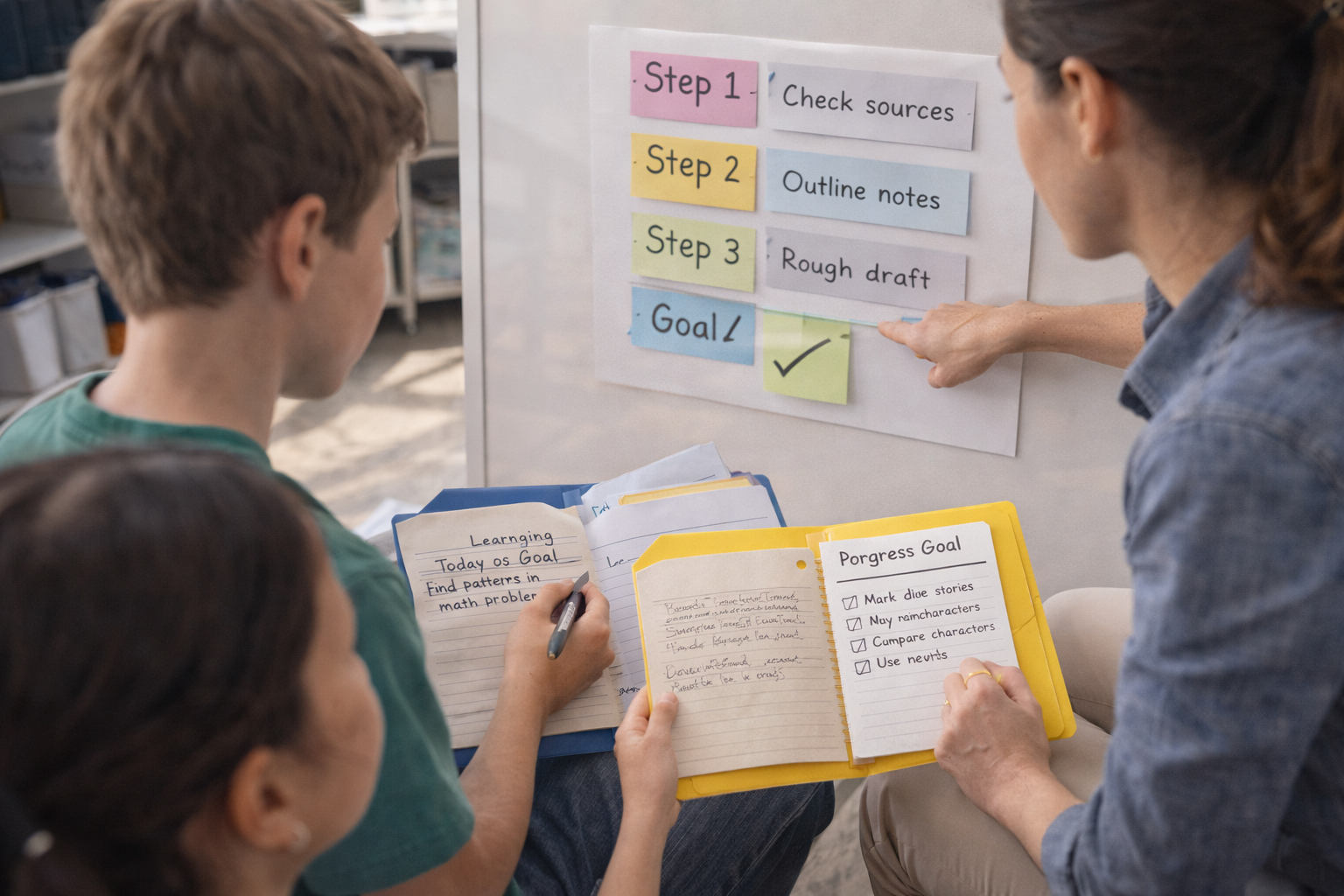
Curiosity is the starting point for deep learning, but without structure it can remain a fleeting spark.
Teachers can help students convert curiosity into measurable progress by teaching goal-setting, reflection, and regular check-ins.
Small, observable steps keep motivation high and give both learners and instructors clear evidence of growth.
This article outlines practical approaches to make that translation consistent and sustainable.
Why measurable progress matters
Measuring learning helps learners recognize incremental gains and adjust strategies when they stall. When students see evidence of progress, their intrinsic motivation and persistence increase. Measurement also clarifies expectations so curiosity can be channeled toward coherent tasks. Framing progress as a series of small wins reduces anxiety and builds confidence.
- Clear focus on priorities and next steps.
- Actionable feedback loops for improvement.
- Greater student ownership over learning.
These benefits create a positive loop where curiosity fuels effort and effort produces data that supports further curiosity. The classroom culture shifts toward experimentation and growth.
Strategies to turn curiosity into goals
Start by helping students define clear, specific learning questions that grow from their interests. Use short-term micro-goals tied to those questions so achievement is frequent and visible. Teach students to create success criteria — what evidence will show they learned something — in student-friendly language. Combine self-assessment with teacher feedback to refine goals over time.
- Student learning logs to record questions and outcomes.
- Exit tickets that target the learning question.
- Learning contracts with short timelines and checkpoints.
Explicit goal routines make curiosity actionable and measurable. Over time students internalize planning and can set goals independently.
Classroom tools and routines
Simple tools make tracking progress manageable for both students and teachers. Portfolios, progress charts, and brief reflective prompts capture evidence without overwhelming instructional time. Regular peer sharing sessions provide additional perspectives and accountability.
- Learning portfolios that show work over time.
- Progress trackers with visual milestones.
- Weekly reflection prompts for short synthesis.
Select tools that fit your class rhythm and scale them gradually. Consistency ensures data accumulates and becomes meaningful.
Assessing and celebrating progress
Assessment should be frequent, formative, and tied to the success criteria students helped create. Use quick checks to inform instruction and let students adjust techniques before summative tasks. Celebrate clear steps toward goals with brief recognition that emphasizes strategy over innate ability. Celebrations reinforce the link between effort, tactics, and measurable gains.
- Rubrics that align with learning questions and evidence.
- Short presentations where students explain progress and next steps.
- Badges or simple certificates for milestone behaviors.
Frequent assessment and public recognition help sustain curiosity and clarify what works. These practices make progress visible and keep the learning cycle moving.
Conclusion
Translating curiosity into measurable progress is a teachable practice that amplifies learning.
With clear goals, lightweight tracking, and reflective routines, students learn to guide their own growth.
Start small, iterate, and celebrate the small wins along the way.