

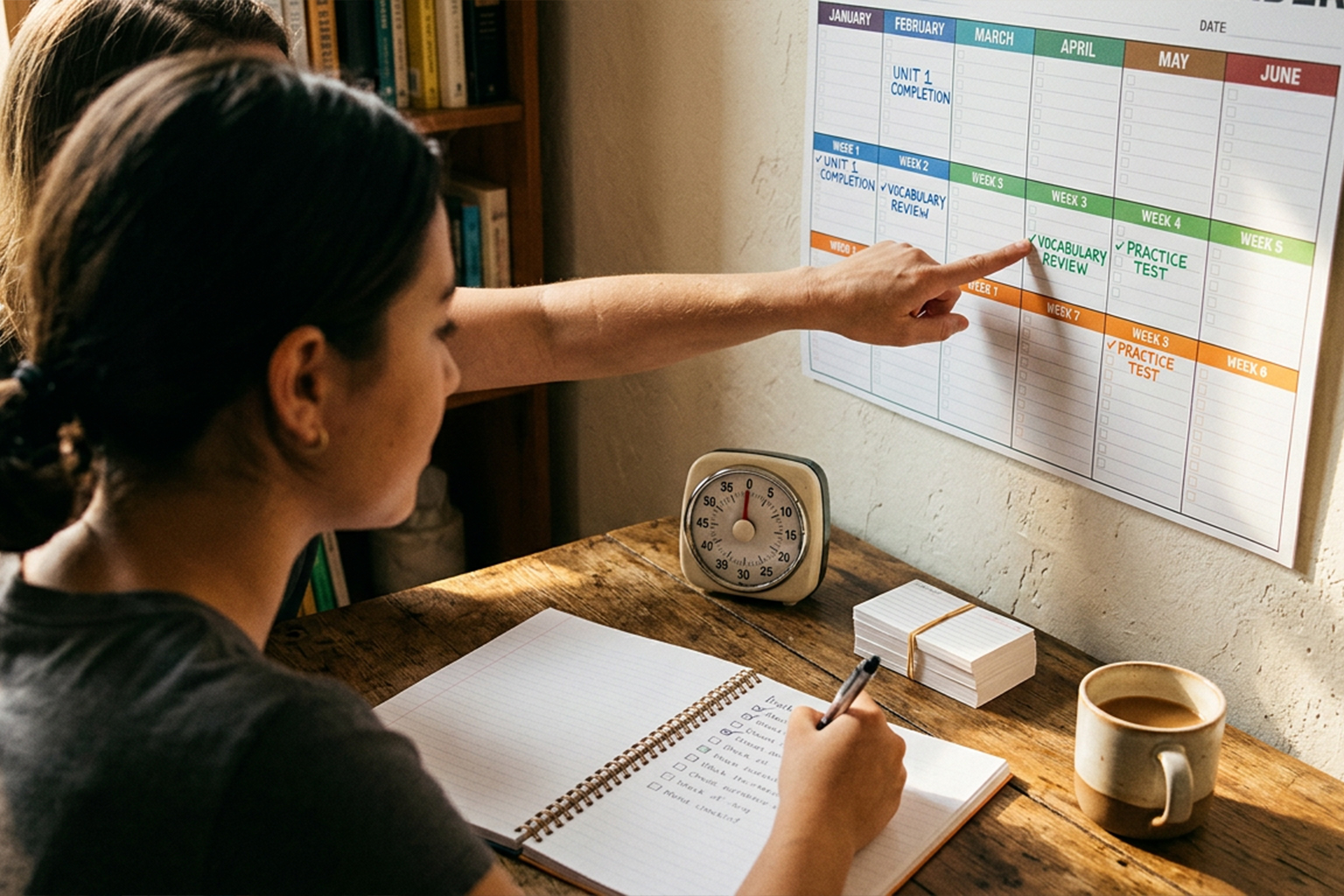
Learning consistently depends less on momentary motivation and more on deliberately designed habits.
A focused plan turns vague goals into everyday actions that build skill over time.
This introduction outlines practical steps you can adopt to make learning systematic and sustainable.
Follow these approaches to create momentum without overwhelming your schedule.
Define specific outcomes
Start by translating broad ambitions into clear, measurable outcomes you can recognize and track. Identify what success looks like in concrete terms, such as completing a project, reaching a performance benchmark, or teaching the concept to someone else. Break those outcomes into milestones that can be achieved in days or weeks rather than months. This clarity reduces decision fatigue and makes daily choices support long-term progress.
When outcomes are precise, choosing tasks becomes easier and motivation stays connected to visible gains. Revisit and refine outcomes every few weeks so they remain aligned with your priorities.
Structure short, frequent sessions
Design learning blocks that fit naturally into your existing routine: 20–50 minute focused sessions work well for most people. Short, frequent practice beats infrequent marathon efforts because it supports consolidation and habit formation. Use consistent cues to trigger sessions, like a time of day or a location, and protect that slot from distractions. Incorporating variety across sessions prevents boredom and targets different aspects of competence.
Commitment to regular, small sessions builds cumulative time and reduces procrastination. Over weeks, these sessions compound into meaningful advancement.
Build variety and immediate feedback
Include multiple formats—practice, review, spaced repetition, and real-world application—to deepen understanding and adaptability. Seek feedback quickly, whether from peers, mentors, automated tools, or self-assessments, so you can correct errors and reinforce good patterns. Mixing active practice with periodic synthesis tasks keeps learning transferable and resilient. Variety prevents plateaus and keeps the brain engaged with fresh challenges.
Feedback loops shorten the path from effort to improvement, making each session more effective. Design simple metrics to measure progress and inform your next steps.
Review and adapt regularly
Schedule weekly and monthly reviews to evaluate what’s working and where to pivot. Look at time spent, progress toward milestones, and obstacles that consistently disrupt your plan. Use those insights to adjust session length, resource choices, or complexity of tasks. Iterative refinement prevents wasted effort and helps maintain momentum through realistic expectations.
Adaptation is part of sustainable learning; flexibility ensures your plan remains practical and motivating. Small course corrections keep you moving toward meaningful goals without burning out.
Conclusion
Intentional learning habits turn scattered effort into steady growth.
Design clear outcomes, short consistent sessions, varied practice, and regular reviews to make progress predictable.
Over time, these elements compound into reliable skill development and lasting competence.