

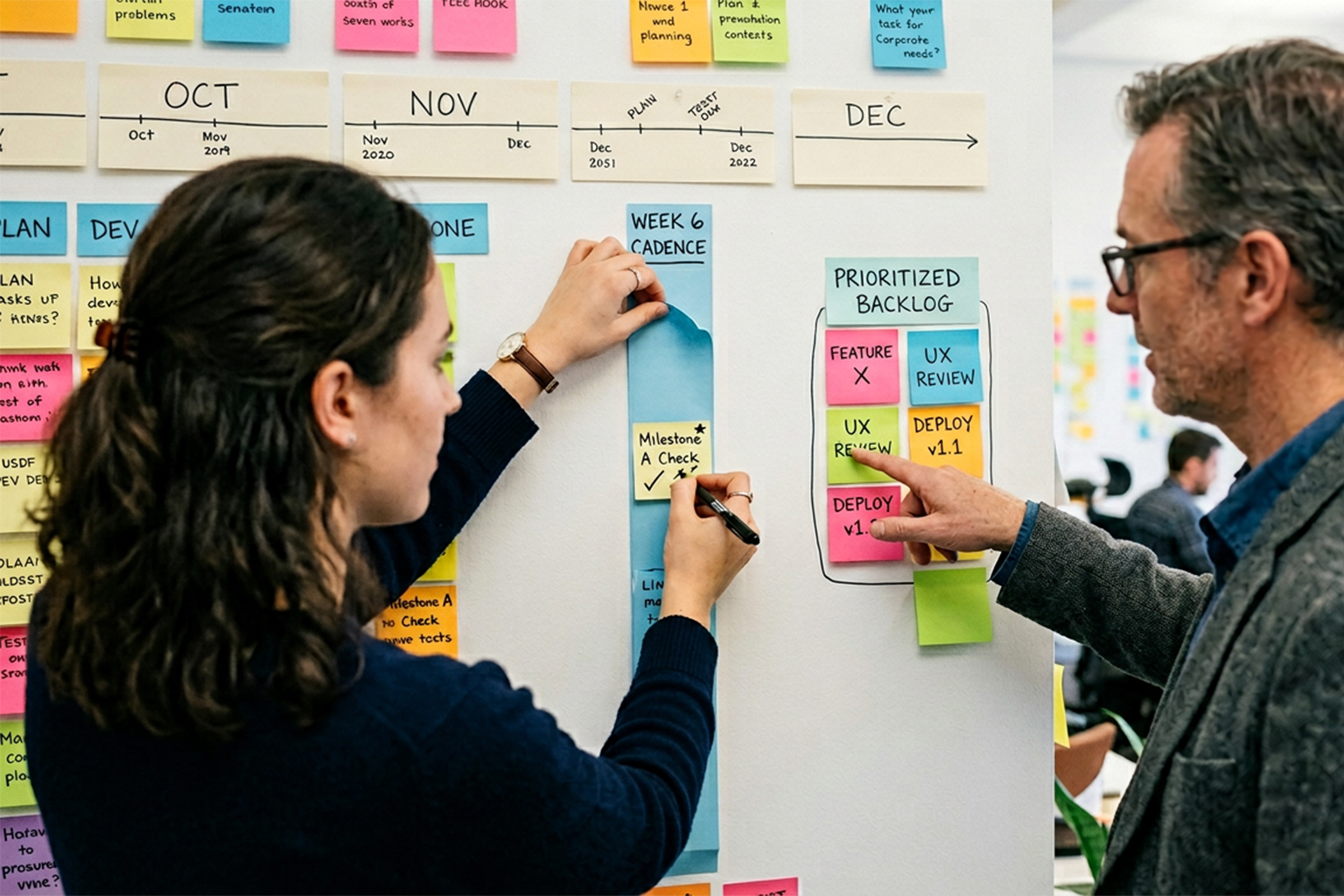
Intentional learning requires clear priorities, realistic pacing, and regular reflection to turn effort into skill. Many learners drift between topics and lose momentum because they lack a simple structure for progress. This article outlines a compact roadmap that helps you select what matters, design focused practice, and measure improvement. Use these steps to create steady momentum without overwhelming your schedule.
Setting Learning Priorities
Begin by identifying a small set of high-impact goals that align with your broader aims, whether career development, problem-solving, or personal curiosity. Limit your focus to one primary skill and one complementary skill to avoid scattering effort across too many areas. Clarify why each goal matters and what minimal competence looks like so you can recognize meaningful progress. This prioritization reduces decision fatigue and keeps each study session purposeful.
Once priorities are set, create a short list of concrete objectives that can be completed within weeks rather than months. These targets serve as checkpoints and help preserve momentum through achievable wins.
Designing Focused Learning Blocks
Structure study into short, regular blocks that combine focused practice with review and application. Blocks of 30 to 90 minutes work well for deep focus without burning out, and pairing them with specific tasks—such as deliberate practice drills, problem-solving, or teaching a concept—keeps sessions productive. Build variety across blocks to include learning new material, practicing skills, and applying knowledge to real tasks. Consistency matters more than intensity: steady, scheduled blocks produce compounding gains over time.
- Set a weekly cadence: 3–5 focused blocks.
- Mix study modes: reading, practice, and application.
- Reserve brief review at the start of each block.
Design blocks around your energy curve and daily obligations so they are easy to maintain long term and become habits rather than heroic efforts.
Measuring Progress and Adjusting
Track progress with simple, outcome-focused metrics tied to your objectives, such as tasks completed, problems solved, or demonstrations of skill. Keep short reflection notes after each block to capture what worked, what didn’t, and one adjustment for the next session. Regular checkpoints—weekly and monthly—let you recalibrate priorities and pacing without losing sight of long-term goals. Measurement shifts learning from vague effort to concrete improvement.
Use the data you collect to shorten or extend focus on specific areas, swap techniques that aren’t productive, and celebrate incremental wins that sustain motivation.
Conclusion
Prioritizing goals, pacing focused practice, and measuring results form a compact roadmap for steady skill growth. Small, consistent actions aligned with clear objectives create momentum and reduce wasted effort. Adopt this approach to make continuous learning manageable and effective.