

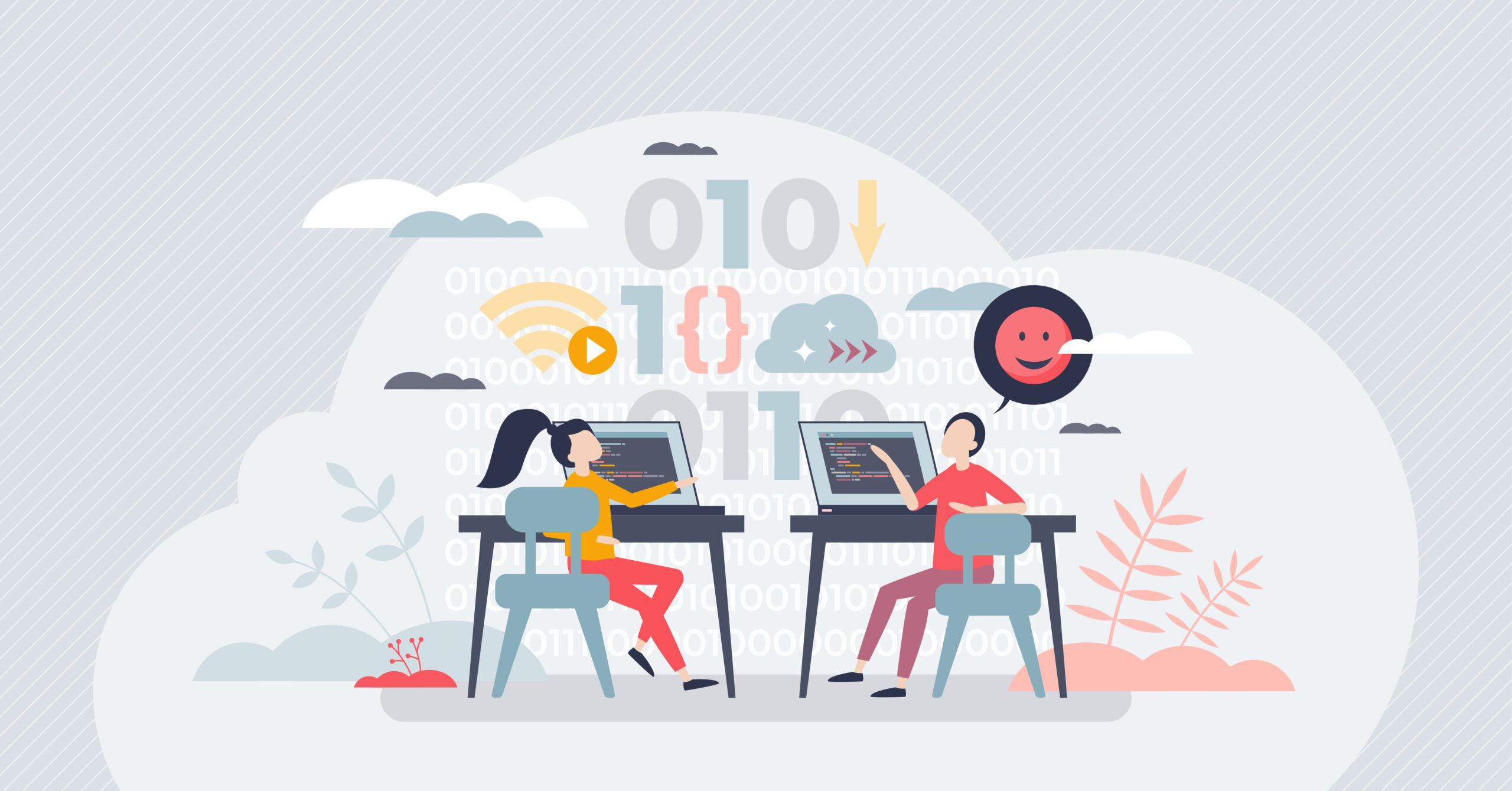
Education has always been the foundation of progress, but in today’s digital era, it is undergoing a transformation unlike any before. The way we learn, teach, and share knowledge is rapidly evolving, thanks to technology. Traditional classrooms are no longer the only place for education. Instead, laptops, tablets, and smartphones have become gateways to a limitless world of knowledge.
A Shift Towards Flexibility
One of the greatest advantages of digital education is flexibility. Students no longer need to be confined to rigid schedules or physical classrooms. Online platforms allow learners to study at their own pace, revisit lectures, and access resources anytime. This flexibility has made education more inclusive, giving working professionals, parents, and even those in remote areas the chance to continue learning.
Personalized Learning Experiences
Modern learning platforms powered by artificial intelligence are capable of tailoring education to each student’s needs. For example, adaptive learning tools can identify a student’s weak areas and provide targeted resources to help them improve. This personalized approach creates a more effective learning experience compared to the one-size-fits-all model of traditional classrooms.
Breaking Geographical Barriers
Another significant impact of digital education is the removal of geographical boundaries. A student in one part of the world can attend lectures from universities or experts located thousands of miles away. This global exchange of knowledge encourages cultural understanding and expands perspectives, preparing learners for a more interconnected world.
Challenges and the Road Ahead
Despite its promise, digital education comes with challenges such as limited internet access, lack of personal interaction, and screen fatigue. However, with continued innovation and hybrid learning models (a blend of online and offline education), these challenges can be overcome.
Final Thought
The future of education is not about replacing classrooms but about making learning more flexible, inclusive, and personalized. Digital education empowers students to take charge of their own journey—shaping not just careers, but entire lives.