

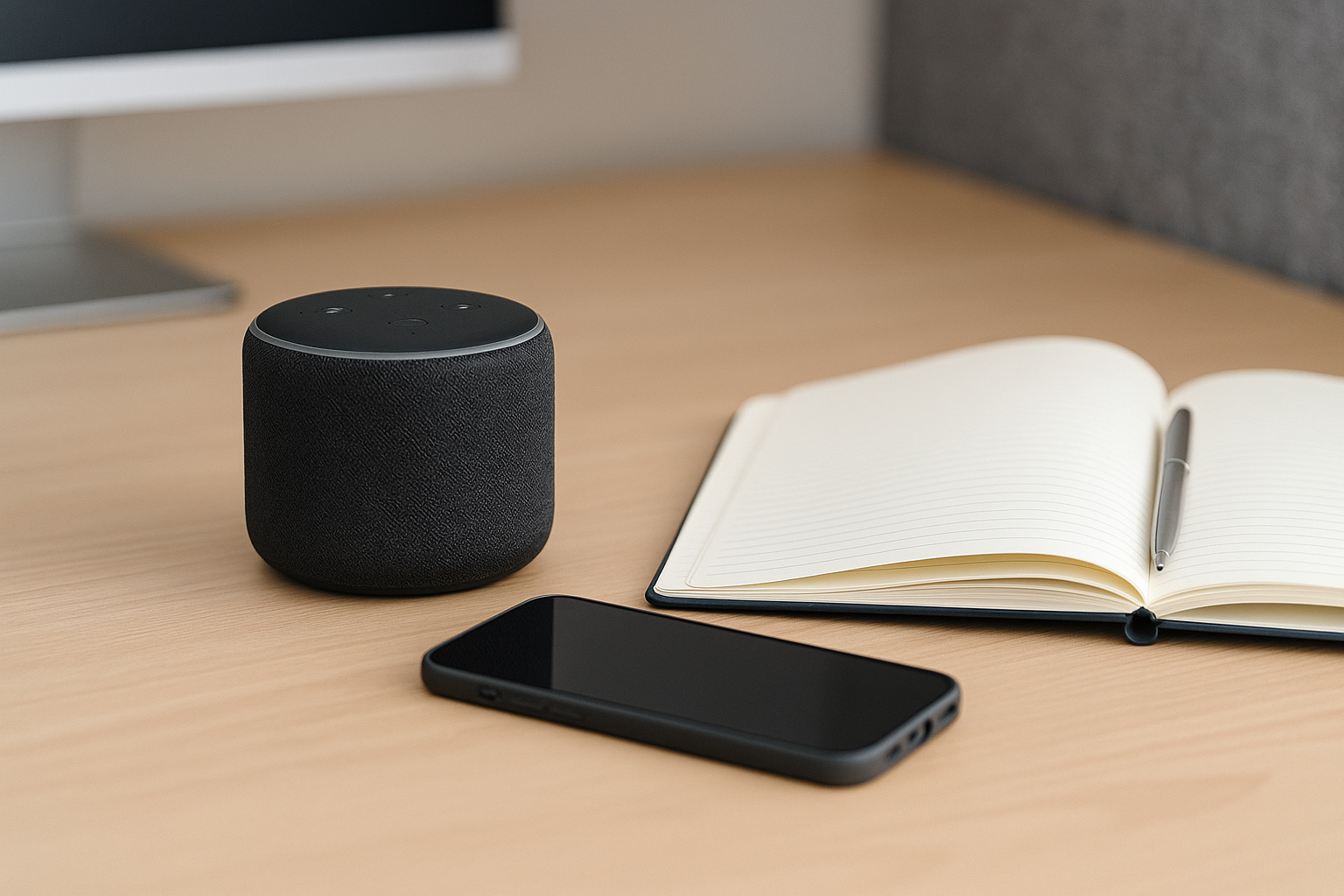
In an age where technology shapes every aspect of education, voice-activated learning is emerging as one of the most transformative tools for students. Smart assistants like Alexa, Siri, and Google Assistant are no longer just for setting reminders or playing music — they are becoming interactive study partners that make learning more personalized, hands-free, and engaging.
The Rise of Voice-Activated Learning
Voice technology blends convenience with accessibility. Students can ask questions, get definitions, or review study materials while multitasking — all without typing a word. Whether it’s practicing vocabulary, solving math problems, or managing study schedules, voice assistants bring instant knowledge to learners’ fingertips (or rather, their voices). For auditory learners, this hands-free format makes studying more natural and less screen dependent.
How Smart Assistants Enhance Learning
Smart assistants support learning in several ways:
- Instant information access – Students can ask factual questions or request summaries on complex topics.
- Routine and organization – Assistants can set study reminders, manage exam schedules, and help build consistent study habits.
- Interactive quizzes – Some platforms integrate with educational apps to test knowledge through verbal quizzes or flashcards.
- Language learning – Learners can practice pronunciation, translation, and comprehension with real-time feedback from AI-driven assistants.
These tools adapt to students’ needs, offering a flexible learning experience that fits into daily routines, whether during commutes, chores, or workouts.
Accessibility and Inclusivity
For students with disabilities or limited mobility, voice technology has opened new pathways to education. It eliminates barriers to typing, reading, or navigating digital interfaces, making study resources more inclusive than ever before.
The Future of Smart Learning
As artificial intelligence evolves, voice assistants are expected to become even more intelligent study companions — capable of tracking progress, identifying weak areas, and personalizing feedback. Integration with smart classrooms and virtual tutors could redefine how students interact with knowledge.
Conclusion
Voice-activated learning transforms passive studying into dynamic conversation. By turning smart assistants into study partners, students can learn more naturally, efficiently, and inclusively. As technology continues to evolve, the sound of learning may soon be as simple as saying, “Hey, help me study.”