

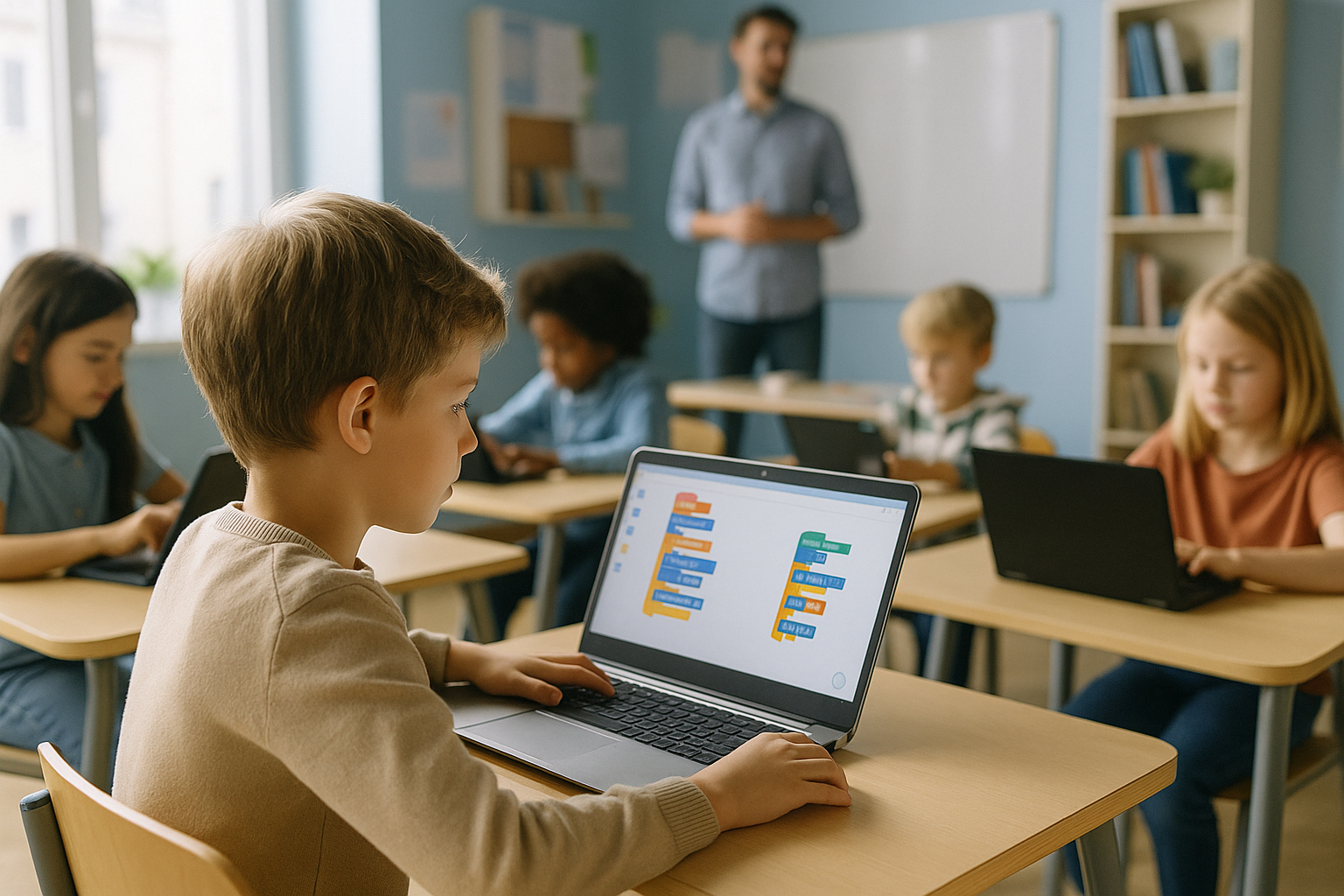
Technology is shaping nearly every aspect of modern life, and children today are growing up in a world where digital tools are as common as pencils and notebooks. Introducing coding in primary education isn’t just about preparing future programmers — it’s about building foundational thinking skills. When students learn to code early, they gain confidence in problem-solving, creativity, and digital literacy. These skills empower them to thrive academically and prepare them for a future where technology continues to evolve rapidly.
Building Strong Problem-Solving Skills
Coding teaches children how to break down large problems into smaller, manageable steps. This logical thinking helps them approach challenges methodically rather than feeling overwhelmed. Whether they are debugging a line of code or solving a math problem, students learn perseverance and analytical reasoning. These skills transfer beyond the classroom, improving their ability to navigate everyday tasks and academic subjects.
Encouraging Creativity and Innovation
Programming isn’t just technical — it’s highly creative. Young learners use coding to design games, animations, or interactive stories, making learning engaging and fun. This hands-on exploration nurtures imagination and encourages experimentation. When students see that they can bring their ideas to life through technology, they develop confidence in their ability to create, innovate, and think independently.
Preparing Students for a Digital Future
Digital fluency is becoming as important as reading and writing. Early exposure to coding ensures that students understand how the technology they use every day actually works. As careers increasingly involve digital tools, these foundational skills give students an advantage, regardless of whether they pursue technology-related careers. The goal is not to make every child a programmer but to equip them with essential digital literacy for the world ahead.
Improving Collaboration and Communication
Many coding activities encourage teamwork. Whether students are building a simple app or working together to solve a puzzle, they learn to communicate clearly and collaborate effectively. Group coding projects teach them how to share ideas, listen to others, and combine strengths to reach a common goal. These interpersonal skills are essential for success in school and beyond.
Conclusion
Making coding mandatory in primary education provides children with essential skills that shape their academic and personal development. From problem-solving to creativity and digital literacy, coding lays a strong foundation for future learning and opportunities. Introducing it early ensures every child benefits from the skills needed in an increasingly digital world.