

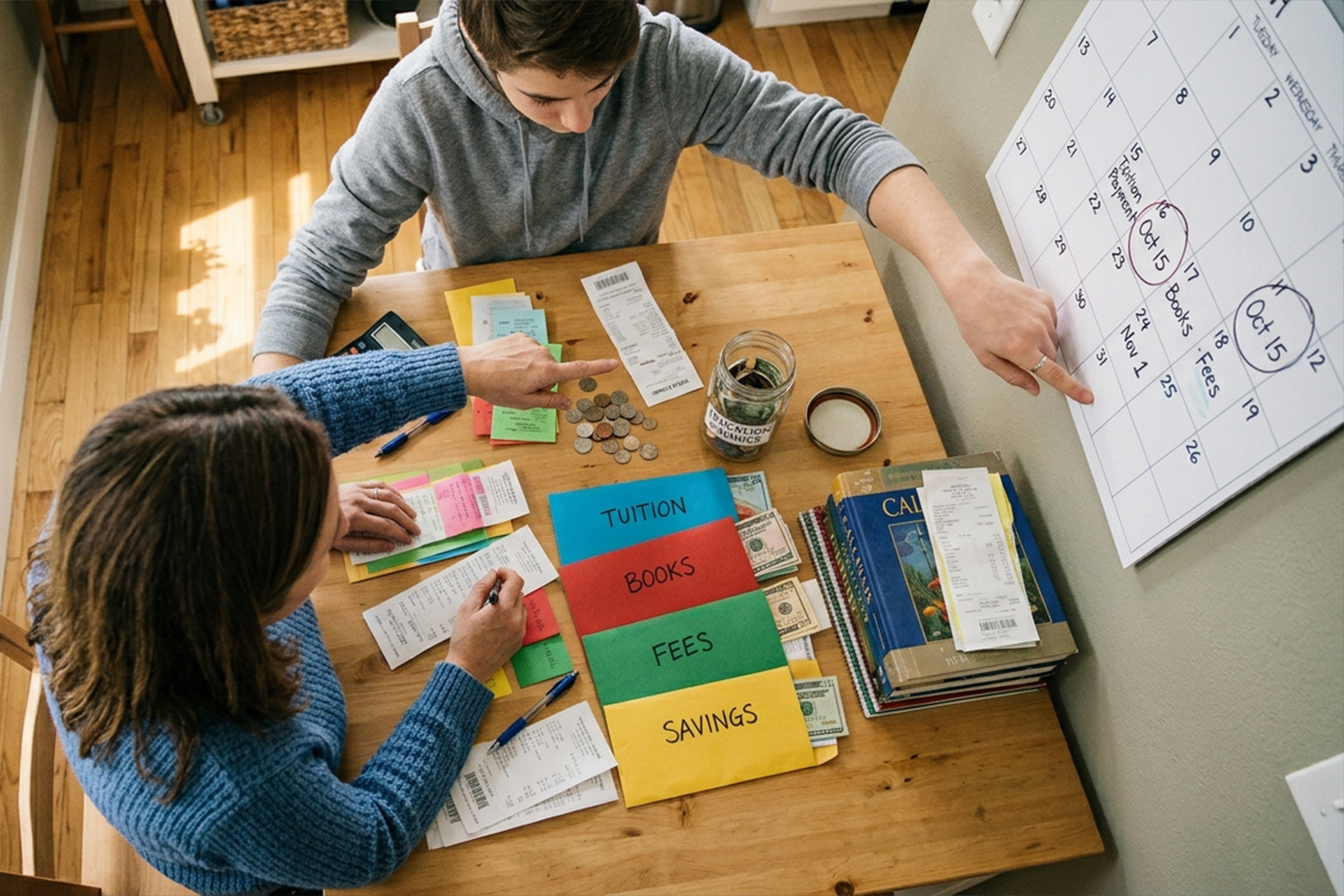
Education costs can arrive unexpectedly and strain household finances.
A clear budget reduces stress and improves choices for learners.
This article outlines straightforward methods to anticipate different expenses.
Use these steps to create a flexible, realistic approach to funding learning.
Assessing Your Education Expenses
Begin by cataloguing recurring and one-off costs tied to learning, including tuition, materials, transportation, and digital subscriptions. Estimate amounts and timing for each item so you can identify patterns across months or years. Don’t forget indirect expenses such as childcare, exam fees, and technology upgrades that often slip under the radar. A realistic inventory is the foundation of any practical spending plan.
Once you have a clear list, assign each expense a priority and a timeframe for payment. This helps separate essentials from discretionary spending and highlights where savings might be possible. Revisit this assessment annually or when circumstances change.
Exploring Funding Options
After mapping costs, compare funding sources to see which best match your goals and timeline. Consider combinations of personal savings, scholarships, employer tuition assistance, and low-cost loans; each has trade-offs in flexibility and cost. Prioritize sources that preserve household cash flow while minimizing long-term interest or obligation. Matching time-limited aid to near-term needs can reduce the pressure on ongoing budgets.
- Short-term: emergency savings or payment plans.
- Medium-term: dedicated education savings accounts or scholarships.
- Long-term: low-interest loans or employer-sponsored programs.
Mixing appropriate options creates resilience and reduces the chance of last-minute, expensive borrowing. Review terms and eligibility periodically to ensure the chosen mix still fits.
Habits to Keep Costs Under Control
Adopt simple routines that prevent small purchases from becoming large budget problems. Track spending monthly, set alerts for upcoming fees, and negotiate when possible for bulk discounts or bundled services. Encourage learners to prioritize open educational resources, used textbooks, and time-saving tools that lower recurring expenses. Small habit changes compound and make larger goals more attainable.
Regular communication among household members about goals and constraints keeps everyone aligned. Establish a clear review cadence to adjust the budget as needs evolve and to celebrate milestones that reinforce good financial behavior.
Conclusion
Consistent assessment and modest budgeting habits make education expenses predictable and manageable.
Combining prioritized funding sources reduces reliance on costly emergency options.
Small, repeatable actions deliver steady progress toward funding learning goals.