

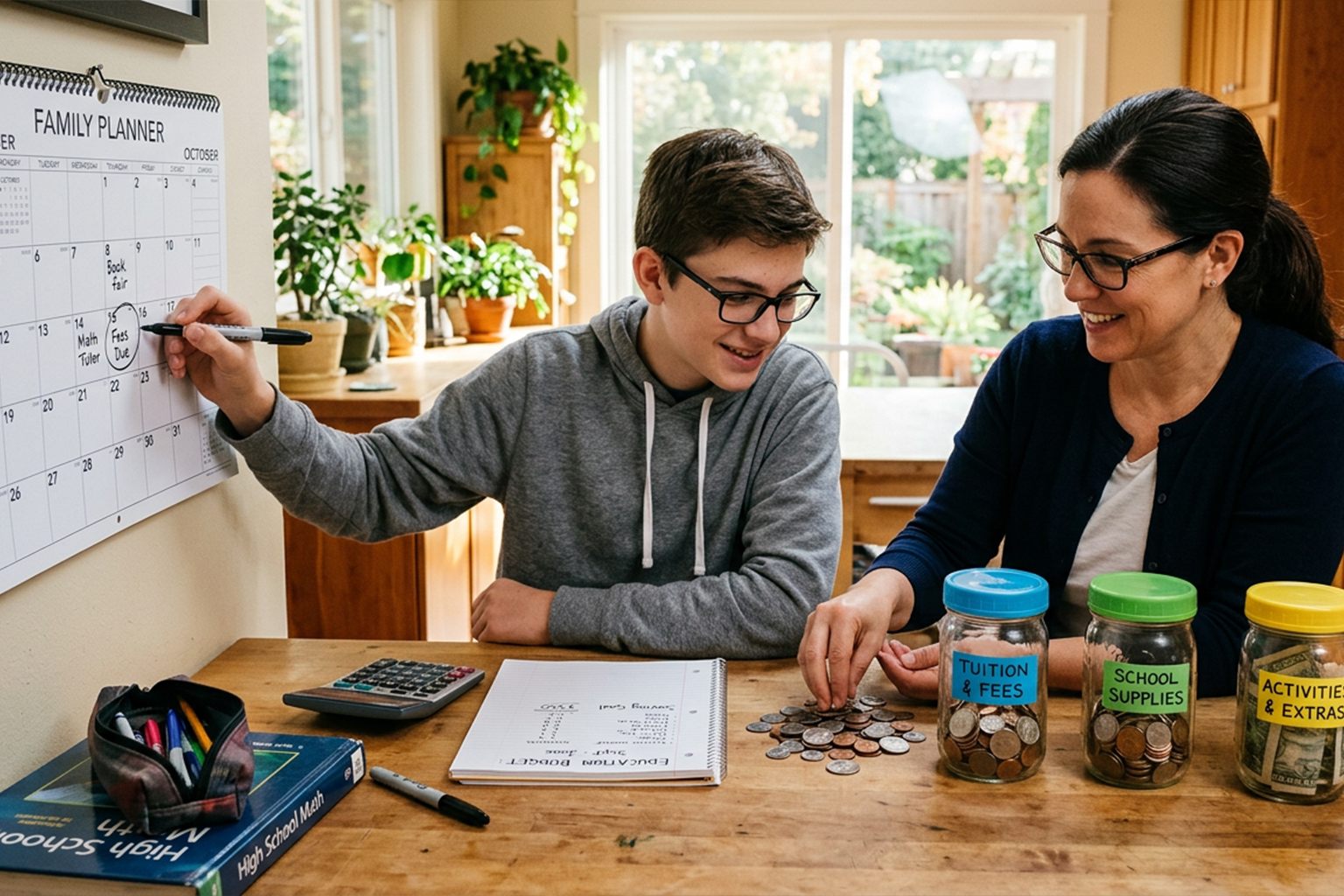
Planning for education expenses requires a blend of realism and flexibility. Families and learners face evolving needs, unexpected costs, and shifting timelines that can disrupt even the best-laid plans. A resilient budget anticipates variability while keeping core goals in focus. This article outlines practical steps to build a sustainable, adaptable approach to education financing.
Assessing True Education Costs
Begin by identifying direct and indirect costs associated with the educational goal. Tuition and fees are often the headline items, but transportation, supplies, technology, and opportunity costs can add up quickly. Estimate both one-time and recurring expenses and consider reasonable ranges rather than a single fixed figure. A realistic baseline helps prevent shortfalls and informs more accurate saving targets.
Review historical spending and solicit input from learners or family members to capture hidden expenses. Regularly update estimates as plans and timelines change to maintain alignment with actual needs.
Building a Flexible Savings and Funding Mix
A resilient budget relies on a diversified approach to funding rather than a single source. Combine personal savings, earmarked investment accounts, employer or institutional assistance, scholarships, and manageable borrowing when necessary. Each source has different timing, risk, and tax implications, so a balanced mix reduces dependence on any single option.
- Prioritize liquid emergency funds for short-term shocks.
- Use targeted accounts or earmarked savings to keep funds disciplined.
- Explore scholarship and aid opportunities early and often.
Design contributions and withdrawals to reflect the expected timing of costs, and avoid tapping long-term reserves unless absolutely necessary. Flexibility in the mix lets you respond to changing circumstances while preserving future options.
Monitoring, Contingencies, and Adjustment Strategies
Once a plan is in place, regular monitoring ensures it stays relevant. Set periodic reviews—quarterly or semiannually—to compare projected versus actual spending and adjust savings rates or funding choices accordingly. Build explicit contingencies, such as scaled-back spending plans or short-term loans with clear repayment paths, to handle unexpected increases in cost.
Use simple metrics like coverage ratios and remaining savings timelines to assess health and make incremental changes rather than abrupt pivots. Clear communication with stakeholders helps maintain commitment and reduces surprises when plans shift.
Conclusion
Resilient education budgets combine realistic cost estimates with a diversified funding approach and regular review. Practical contingencies and flexible choices reduce stress and keep goals achievable. With ongoing adjustments, families and learners can navigate uncertainty while progressing toward their educational objectives.