

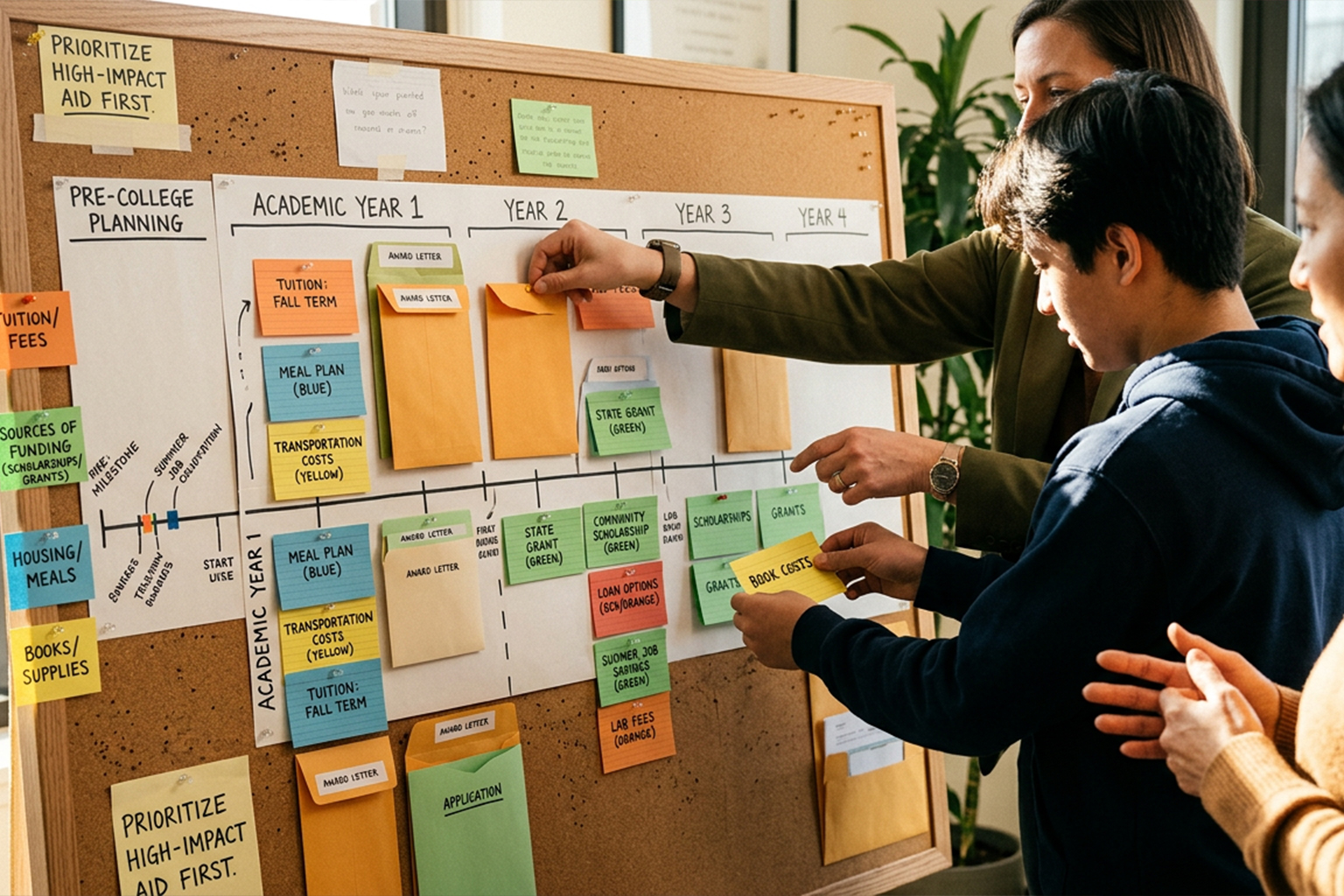
Managing education expenses works best when priorities are clear and actionable.
A concise framework turns vague goals into manageable steps.
This article offers practical methods to organize spending, saving, and funding choices.
Apply these approaches to create a flexible plan that adapts as needs change.
Define goals and timelines
Begin by listing learning objectives and assigning timelines to each, from short courses to multi-year programs. Estimate the total cost for tuition, materials, travel, and related fees so you have realistic figures to plan around. Rank goals by importance and expected benefit to focused decision making.
Clear priorities reduce impulse spending and help identify where to concentrate resources. Revisit these goals periodically to reflect career shifts or new opportunities.
Create flexible saving frameworks
Design savings vehicles that separate near-term needs from longer-term goals while preserving access to funds. Use a mix of liquid accounts for short horizons and higher-yield options for extended timelines to balance growth and availability. Automate contributions to maintain steady progress without constant active management.
Flexibility matters when unexpected costs arise or when priorities change. A tiered approach keeps funds organized and reduces friction when reallocating resources.
Match funding sources to specific needs
Identify funding options that best suit each goal: grants and scholarships for tuition, employer support for work-related learning, and low-cost loans for predictable long-term investments. Favor low-cost or forgivable sources first, then use credit selectively when other options are insufficient. Matching source to need minimizes total cost and financial stress.
- Scholarships and targeted grants for program-specific support
- Employer tuition assistance for job-related training
- Low-interest loans for large, long-term investments
Combining several modest sources often beats relying on a single solution. Track terms and conditions to avoid surprises.
Monitor progress and adjust regularly
Schedule regular reviews to compare actual spending to projections and to check whether goals remain relevant. Update timelines, contribution levels, and funding choices when circumstances change or when costs deviate from estimates. Small, frequent adjustments prevent shortfalls from becoming crises.
Use simple tracking tools or spreadsheets to maintain visibility. Reviewing often keeps the plan practical and responsive.
Leverage tools and community resources
Use budgeting apps, cost calculators, and institutional resources to refine estimates and find cost-saving opportunities. Community programs, used materials, and peer networks can reduce expenses and reveal funding leads that are not widely advertised. Combining digital tools with local knowledge yields better outcomes than either alone.
Stay curious and seek advice when evaluating unfamiliar options. Practical information often translates directly into lower costs.
Conclusion
Prioritizing education expenses around clear goals and flexible funding makes plans more achievable.
Regular review and modest adjustments keep budgets realistic and responsive to change.
Adopt these practices to maintain control over learning costs while supporting long-term objectives.