

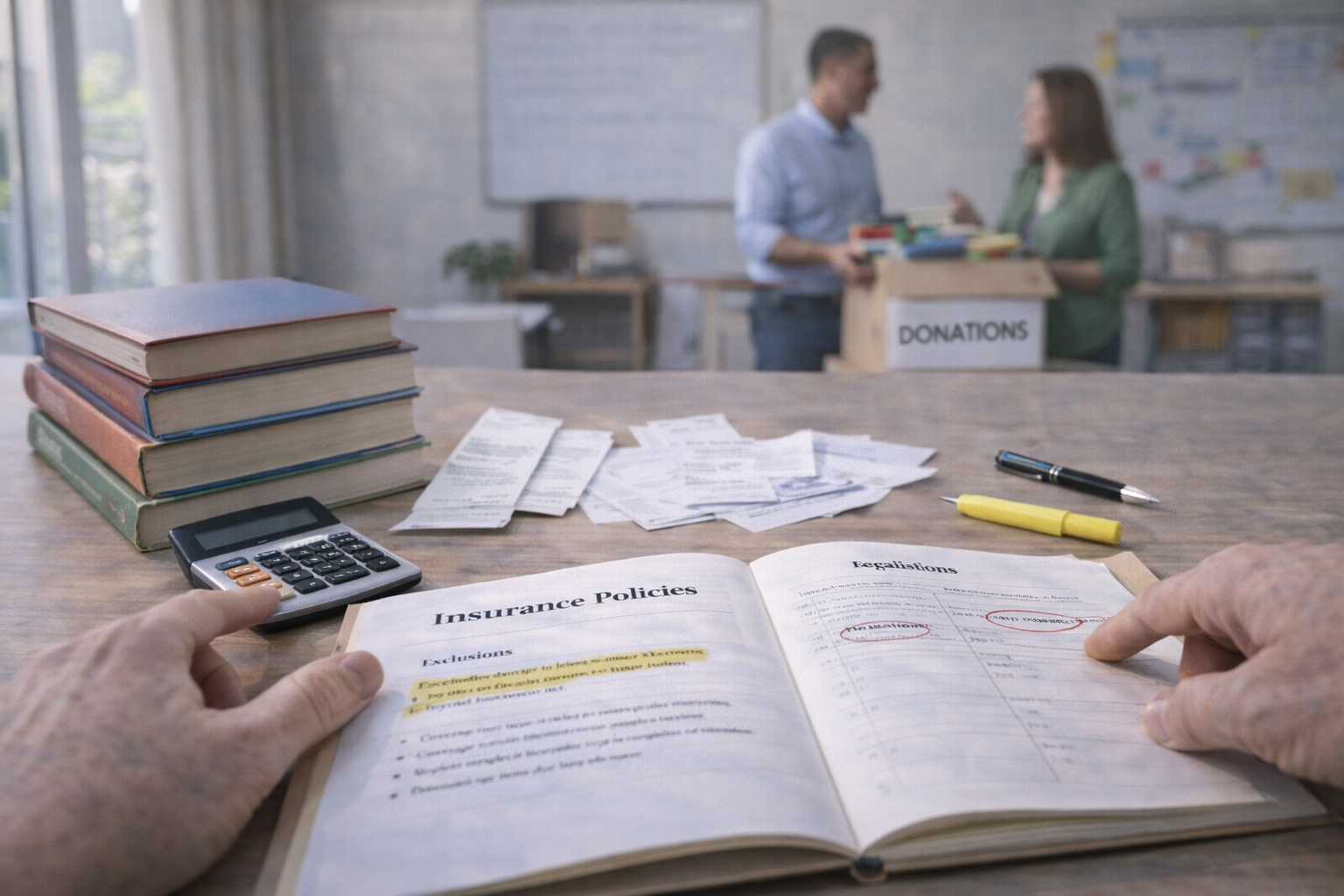
Education expenses can strain household budgets and institutional resources alike, but thoughtful planning reduces that pressure without lowering standards. Understanding where money goes and which investments yield the strongest returns is the first step. Families and educators can apply practical tactics to balance short-term needs with long-term outcomes. This article outlines actionable approaches to make education spending more efficient and effective.
Begin by clarifying goals and timelines, then match resources to priorities so every dollar works harder. Small adjustments in process and procurement often produce measurable savings.
Understanding True Education Costs
Many budgets focus on tuition or textbook prices while overlooking ancillary expenses like transportation, technology upgrades, and extracurricular fees. Calculating total cost of attendance gives a clearer picture and helps identify unexpected pressure points. When institutions and families break down recurring and one-time costs, they can target the largest drivers of spend. Transparency at this stage creates better decision-making for both planning and negotiation.
Collecting accurate cost data also supports conversations about where to economize and where to invest for quality outcomes. Use that information to form realistic budgets and contingency plans.
Prioritize What Delivers Long-Term Value
Focus spending on elements that demonstrably improve learning outcomes or future opportunities, such as skilled instructors, core curriculum resources, and reliable technology infrastructure. Nonessential luxuries and redundant services are the first candidates for reduction. A value-based approach steers limited funds toward interventions with measurable returns, like tutoring programs or accredited courses that boost career readiness. Prioritization reduces waste and reinforces educational objectives.
- Invest in staff development rather than periodic one-off purchases.
- Choose durable materials over cheaper, short-lived options.
Reallocating funds from low-impact areas to high-impact ones keeps quality intact while lowering total expenditure. Regularly revisit priorities as needs evolve.
Practical Ways to Reduce Expenses
Negotiate bulk purchasing agreements for supplies and licenses, share resources across departments or schools, and explore open educational resources to cut textbook costs. Encourage digital-first strategies that reduce printing and logistical overhead while maintaining accessibility. Efficient scheduling and space utilization can lower operational costs without affecting instruction. Small operational changes often produce steady savings that accumulate over time.
- Audit subscriptions and cancel unused services.
- Facilitate resource sharing and joint procurement.
- Promote low-cost or free learning platforms.
Implement cost-saving pilots to test reforms before wide rollout. Track savings and reallocate them to prioritized areas.
Leveraging Financial and Community Support
Explore scholarships, sliding-scale fees, employer partnerships, and local grants to supplement budgets and expand access. Community collaborations and volunteer programs can provide in-kind support that offsets operational expenses. Transparent communication about needs helps attract targeted support from stakeholders. Combining internal efficiency with external aid creates a resilient funding mix.
Document outcomes from supported programs to build a compelling case for ongoing assistance. Clear reporting strengthens future funding prospects.
Conclusion
Managing education expenses requires a balance of clear priorities, operational efficiency, and strategic investment. By targeting funds toward high-impact areas and using community resources, quality is preserved while costs fall. Regular assessment and transparent planning ensure sustainable educational spending over time.