

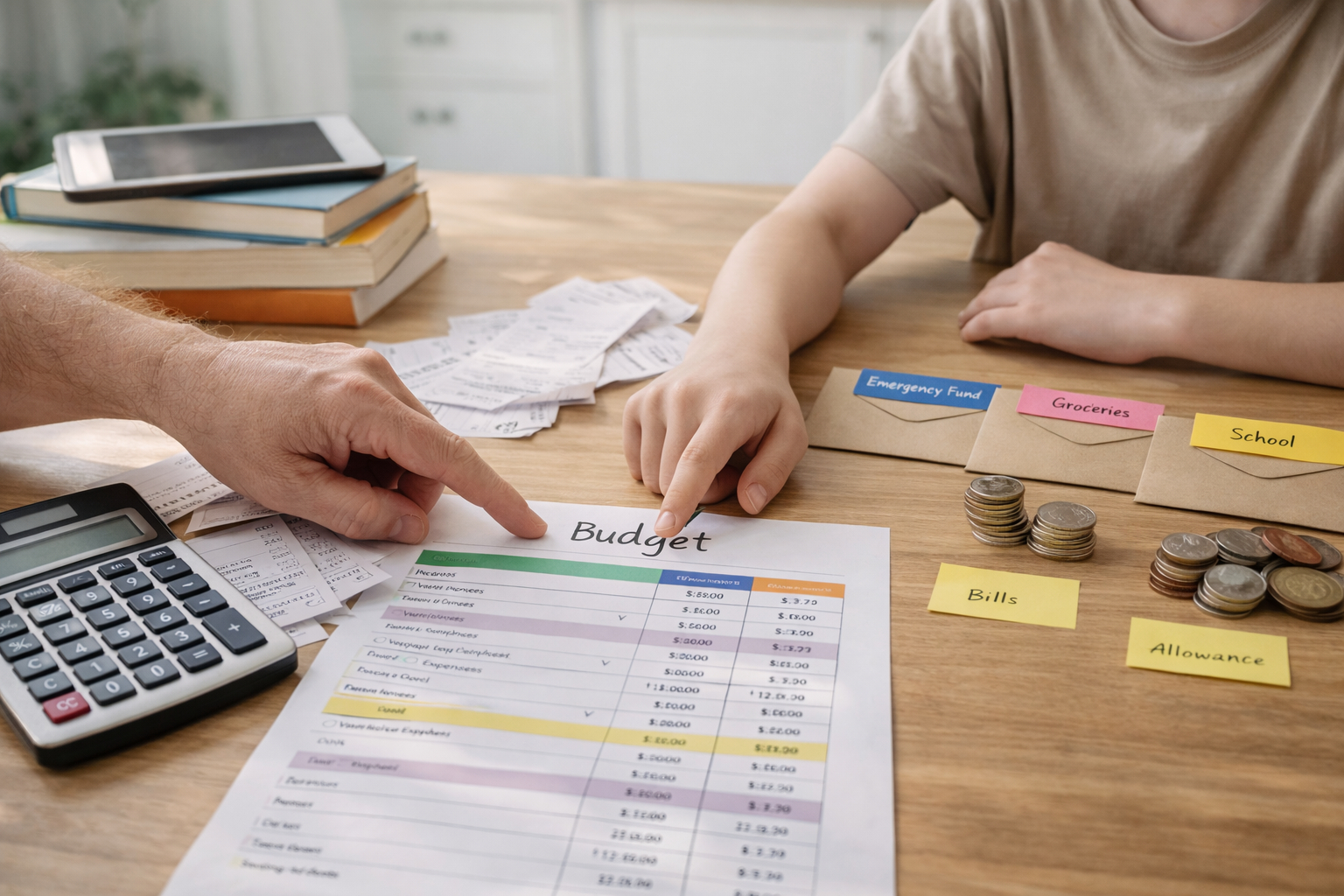
Education costs can feel overwhelming for households at every stage. With a clear approach to planning, families can reduce stress and make steady progress toward learning goals. This piece outlines practical steps for estimating expenses, prioritizing needs, and identifying realistic savings without sacrificing quality. The goal is to present straightforward methods that fit everyday routines and academic timelines.
Assessing Costs and Setting Priorities
Begin by creating a comprehensive list of typical expenses, including tuition or course fees, supplies, technology, transportation, and incidental costs such as examination or activity fees. Distinguish between fixed costs you must pay and variable costs that you can adjust by timing purchases or choosing alternatives. Establish short-term and long-term priorities: essentials that affect learning outcomes come first, while nicer-to-have items can wait or be scaled back. Engage learners or family members in the process to clarify which items deliver the most educational value.
Once priorities are clear, build a simple budget that allocates funds monthly or by term. Review this plan regularly and adjust for unexpected expenses or new opportunities. Keeping estimates realistic helps prevent overspending and preserves funds for high-impact items.
Practical Savings, Aid Options, and Smart Purchases
Look beyond price tags for ways to lower overall costs. Pursue available aid such as scholarships, bursaries, and institutional discounts, and check eligibility for program-specific support. Consider lower-cost alternatives like open educational resources, used textbooks, shared devices, and library access. Compare payment plans and timing — buying supplies off-season or choosing last year’s model of a device can yield meaningful savings without substantial trade-offs.
- Apply early for scholarships and fee waivers.
- Buy used textbooks or rent digital editions when possible.
- Consolidate subscriptions and share resources within a household.
Small choices made consistently add up: track recurring expenses to spot waste, and prioritize purchases that support learning outcomes long term. Use comparison shopping and community groups to access gently used materials and peer advice.
Conclusion
Effective budgeting for education combines clear priorities, targeted savings, and regular review. Small, consistent actions and informed choices make costs more manageable over time. Start with a simple plan today and refine it as needs change.