

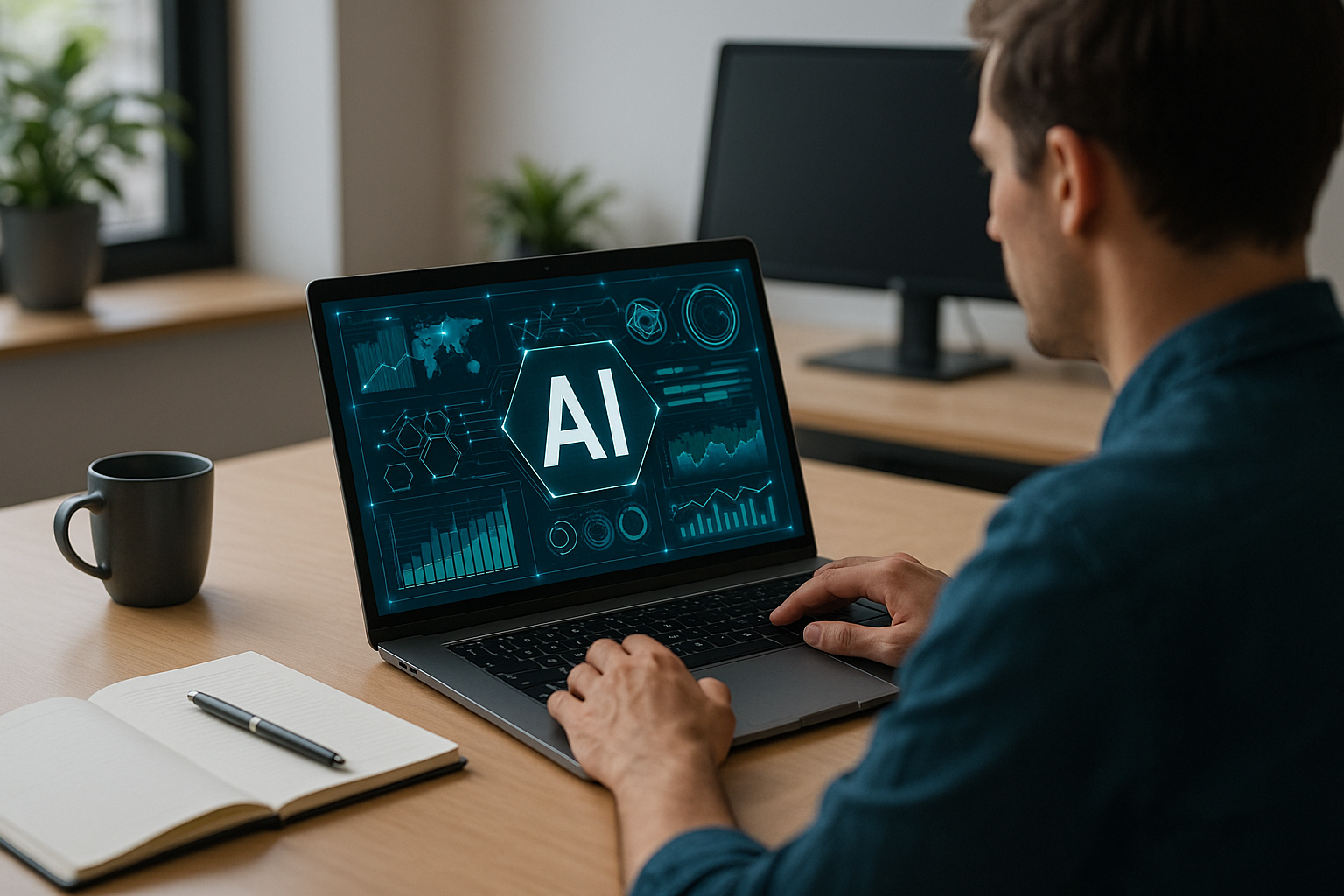
Artificial Intelligence (AI) is reshaping industries faster than any technological revolution before it. From healthcare to finance to marketing, AI is changing how organizations operate and what skills professionals need to stay relevant. To thrive in this evolving landscape, developing AI-related skills isn’t just a smart move — it’s essential for career longevity.
Understanding AI Fundamentals
Before diving into complex technologies, start with a strong foundation. Understanding how AI works — including machine learning (ML), neural networks, and natural language processing (NLP) — gives you the context to apply these concepts in your field. Online courses and certifications from platforms like Coursera or edX can help build this core knowledge, even for non-technical professionals.
Data Literacy and Analytics
AI runs on data — and knowing how to interpret, analyze, and draw insights from it is one of the most valuable skills today. Data literacy includes understanding how data is collected, cleaned, and visualized. Tools like Excel, Power BI, Python, or Tableau can help you turn raw data into actionable insights. For managers and executives, being data-savvy also means making evidence-based decisions powered by AI analytics.
Machine Learning and Automation
Machine learning enables systems to learn from data and make predictions — a skill in high demand across industries. Even basic knowledge of ML frameworks like TensorFlow, Scikit-learn, or PyTorch can give you an edge. Beyond programming, understanding automation workflows — how AI replaces repetitive tasks — is vital for professionals in operations, HR, and customer service.
AI in Your Domain
Every field is integrating AI in unique ways. Marketing professionals use AI for predictive analytics and personalized campaigns. Finance experts apply it for fraud detection and risk modeling. Healthcare workers rely on AI for diagnostic imaging and data-driven treatment plans. The key is to understand how AI applies specifically to your profession and build niche expertise.
Critical Thinking and Ethical Awareness
As AI grows more powerful, ethical awareness becomes a critical skill. Professionals must understand AI bias, data privacy, and transparency to ensure fair and responsible use of technology. Employers increasingly value individuals who can balance innovation with integrity.
Creativity and Human-Centered Skills
Ironically, as machines take on more analytical work, human creativity, emotional intelligence, and adaptability become more valuable. The most successful professionals will combine technical literacy with empathy, storytelling, and strategic thinking — qualities AI can’t replicate.
Continuous Learning Mindset
AI and technology evolve rapidly, making lifelong learning a necessity. Stay updated through webinars, online certifications, and AI communities. Employers value professionals who adapt quickly and keep pace with emerging tools and trends.
Conclusion
AI isn’t replacing human talent — it’s reshaping it. The future belongs to professionals who blend technology with human insight, using AI not just as a tool but as a partner for innovation. By mastering key AI skills and cultivating adaptability, you can ensure your career remains not just relevant, but indispensable in the age of intelligent machines.