

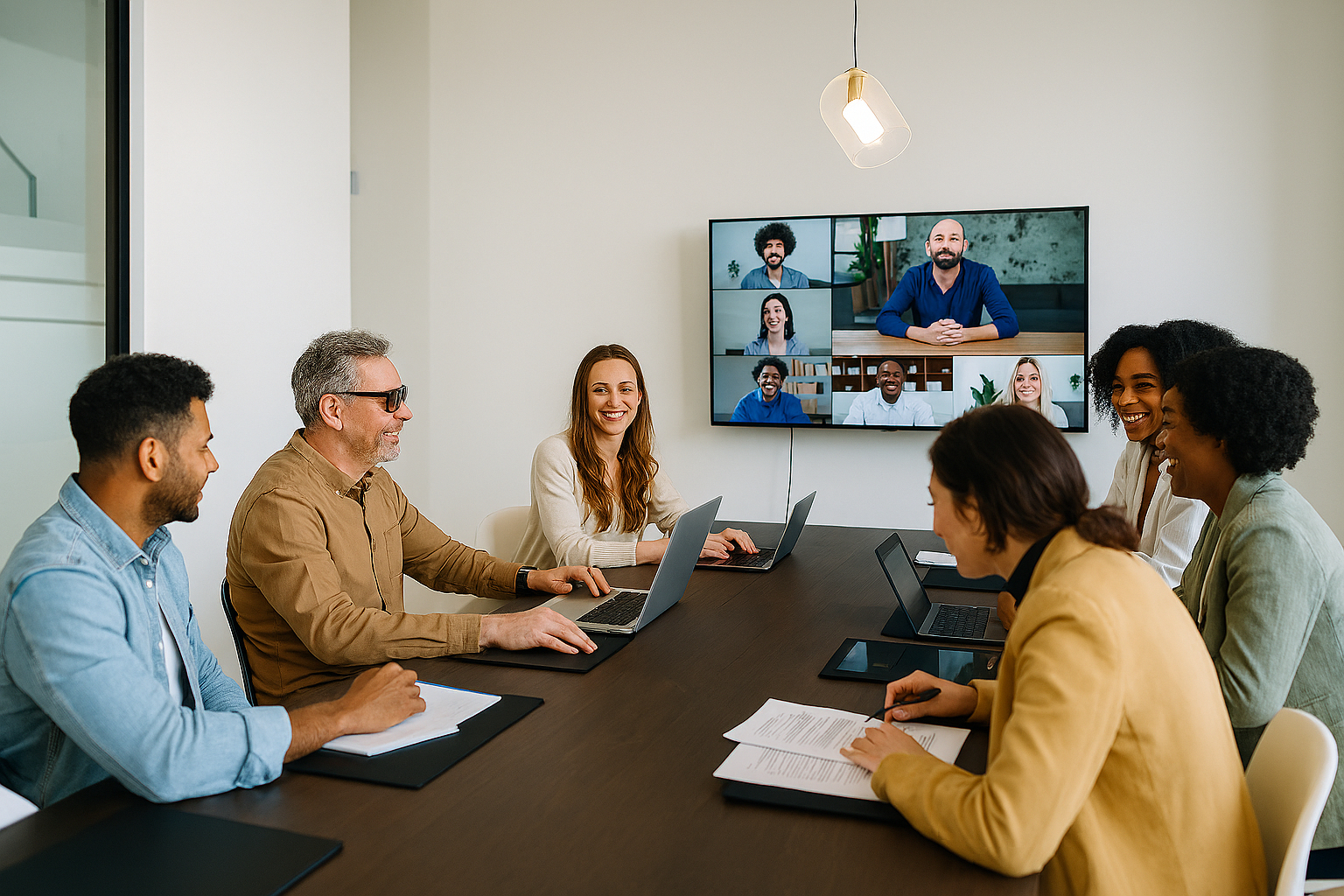
Remote work has evolved from a temporary fix to a permanent fixture in modern workplaces, offering flexibility but also demanding deliberate effort to maintain productivity and foster relationships.
Creating a Dedicated Workspace
Set up a quiet, organized workspace that minimizes interruptions and distractions. This space should be ergonomically comfortable and well-equipped with necessary technology—like a reliable internet connection, quality headset, and multiple monitors if needed—to support focused work.
Structured Routines for Focus and Balance
Establish clear daily routines to differentiate work time from personal time. Using calendar blocking is a powerful technique where specific hours are reserved for focused tasks, meetings, email responses, and breaks. This helps manage energy and attention more effectively and prevents task overload.
Leveraging Productivity Tools
Utilize digital platforms such as Trello, Asana, Notion, or Click Up for task management and project tracking. These tools provide transparency on work status, deadlines, and responsibilities, ensuring teams stay aligned regardless of locations.
Communication with Purpose
Proactive communication is vital to combat isolation in remote settings. Schedule regular video meetings to maintain eye contact, non-verbal cues, and rapport. Use consistent updates via chat or email to build trust and provide clarity. Transparency around progress and challenges also promotes collaboration and teamwork.
Protecting Mental Health and Boundaries
Remote work can blur professional and personal boundaries. It is essential to set clear “off-work” times, avoid working beyond scheduled hours, and establish rituals to disconnect mentally such as shutting down devices or taking walks. Regular social interactions—virtual coffee breaks or team-building activities—also support emotional well-being, ensuring a healthy work-life balance.
Success in remote work arises from balancing autonomy—managing one’s schedule and tasks independently—with collaboration, staying connected and accountable with colleagues and managers through technology and human interaction.