

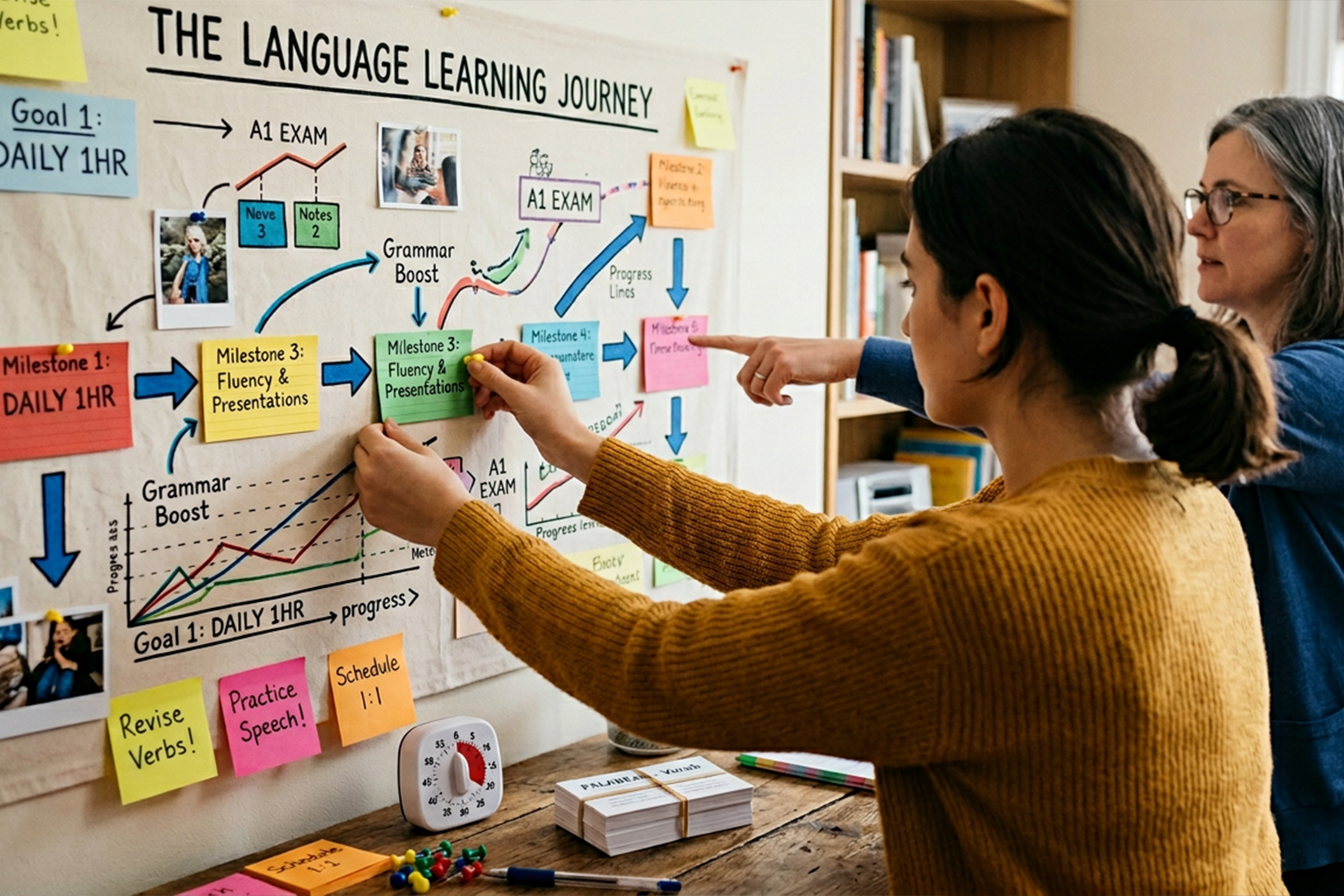
Effective self-directed learning starts with deliberate systems rather than hope. A practical blueprint helps you focus on habits that compound over time and reduce decision fatigue. This article outlines clear steps to set goals, design focused practice, and iterate based on feedback. Use these methods to make steady, measurable progress without overwhelming your schedule. The goal is to convert intentions into repeatable, efficient processes.
Set Clear, Actionable Goals
Begin by defining specific, achievable goals that connect to your long-term intentions. Break large aims into concrete milestones with observable outcomes and realistic timelines. Prioritize a few high-impact targets each quarter to avoid scattering effort across too many fronts. Clear objectives guide practice choices and make it easier to measure progress. Include acceptance criteria for each milestone so you know when work is complete.
Keep goals visible and revisited weekly to maintain alignment. Adjust them when new information or constraints emerge. This habit of review keeps plans realistic.
Structure Short, Focused Practice Blocks
Design practice sessions that favor depth over duration by focusing on specific skills or tasks. Short, frequent blocks reduce cognitive fatigue and support retention through distributed practice. Use techniques like single-tasking, timeboxing, and immediate feedback to increase efficiency. Regular review windows consolidate learning and reveal weak spots. Limit distractions and set a single learning intention per session to deepen focus.
Combine varied activities within a small set of sessions to avoid plateaus. Rotate emphasis between acquisition, application, and reflection. Short breaks and varied contexts aid consolidation between sessions.
Track Progress and Iterate Consistently
Create lightweight tracking systems that capture meaningful signals, not noise. Metrics can be qualitative notes, short quizzes, or simple performance logs that indicate improvement trends. Review data weekly and monthly to spot patterns and decide whether to escalate, pivot, or maintain your approach. Iteration prevents stagnation and makes learning adaptive to real needs. Pair metrics with qualitative reflection to understand why performance changes over time.
Celebrate small wins to reinforce momentum and sustain motivation. When setbacks occur, analyze them as information rather than failure. Use setbacks to refine strategy and preserve curiosity.
Conclusion
Intentional learning habits transform scattered effort into cumulative growth. By setting clear goals, structuring focused practice, and iterating with simple metrics over months and years, you build a resilient learning routine. Start small, measure honestly, and adapt consistently to make meaningful progress with intention and patience.